
Scandinavian home decor style guide searches usually come from one specific frustration: you like the calm, bright look, but when you try it at home it can end up feeling bare, cold, or strangely unfinished.
This guide breaks the style into choices you can actually make in a U.S. home, even if you rent, even if your room has awkward light, and even if you don’t want everything to look like a showroom.
One quick misconception to clear up: “Scandi” is not just white walls and pale wood. The modern 2026 version leans warmer, uses more texture, and cares a lot about how a room feels at night, not only in daylight.
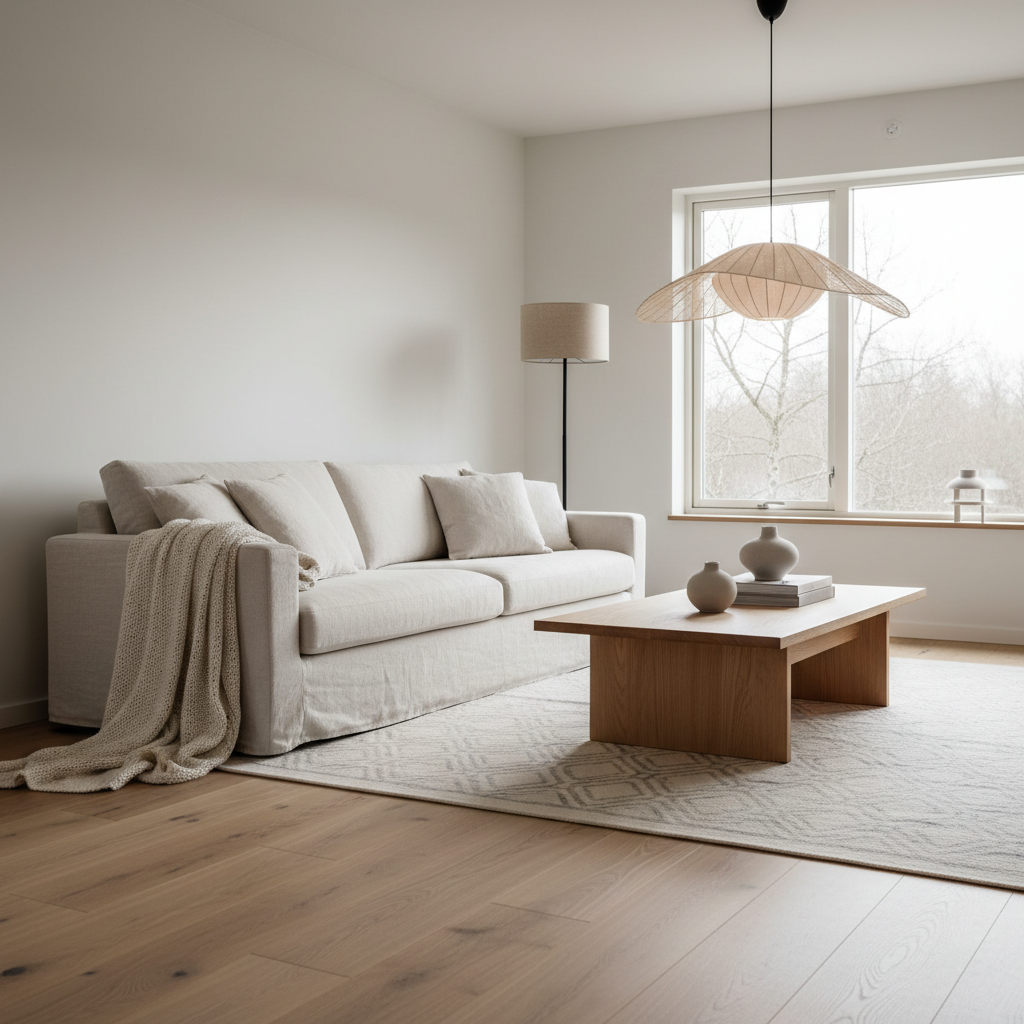
What Scandinavian style actually means in 2026
In practice, Scandinavian interiors balance three things: function, light, and comfort. The best rooms look simple, but they don’t feel empty, they feel intentional.
- Function-forward: storage that hides visual clutter, furniture that fits the way you live.
- Light-aware: window treatments, reflective surfaces, and layered lamps because winter-dark logic still applies.
- Comfort without fuss: natural fibers, soft edges, and a few pieces that invite you to sit.
According to The Danish Design Museum, Danish design history emphasizes simplicity, craftsmanship, and usability, which explains why “pretty but impractical” rarely lasts in Scandi spaces.
Why homes end up looking “cold” (and how to spot it fast)
Most “failed Scandi” rooms don’t fail because of the sofa, they fail because of the mix: too many hard surfaces, not enough contrast, and lighting that’s doing the bare minimum.
Common causes
- One-note whites: cool white walls plus cool gray flooring can read sterile.
- No mid-tones: you have white and black, but nothing sandy, tan, oak, or camel in between.
- Underscaled textiles: tiny rug, thin curtains, one flat throw.
- Single overhead light: the room looks fine at noon, harsh at 7 p.m.
- Visual clutter: lots of small decor items fighting for attention.
If you’re nodding at two or more of those, you don’t need a full redo, you need targeted warmth and better “quiet organization.”
A quick self-check: which Scandi lane fits your home?
Before you buy anything, pick your lane. It keeps decisions consistent, which is what makes Scandinavian rooms feel calm instead of random.
| Scandi lane | Best for | Core colors | Signature materials |
|---|---|---|---|
| Classic Nordic Minimal | Small spaces, visual calm | Warm white, oat, black accents | Oak, wool, linen, matte ceramics |
| Soft Modern Scandi | People who want “cozy” not stark | Cream, sand, muted sage | Light wood, boucle, paper shades |
| Scandi + Japandi | Lower clutter tolerance, slower vibe | Ivory, clay, charcoal | Oak, walnut, stone, slatted wood |
| Color-Forward Nordic | Homes that need personality fast | Dusty blue, muted terracotta, warm neutrals | Wool, velvet accents, vintage wood |
In many U.S. homes with warm beige paint or medium-tone floors, Soft Modern Scandi is the easiest to make believable without repainting everything.
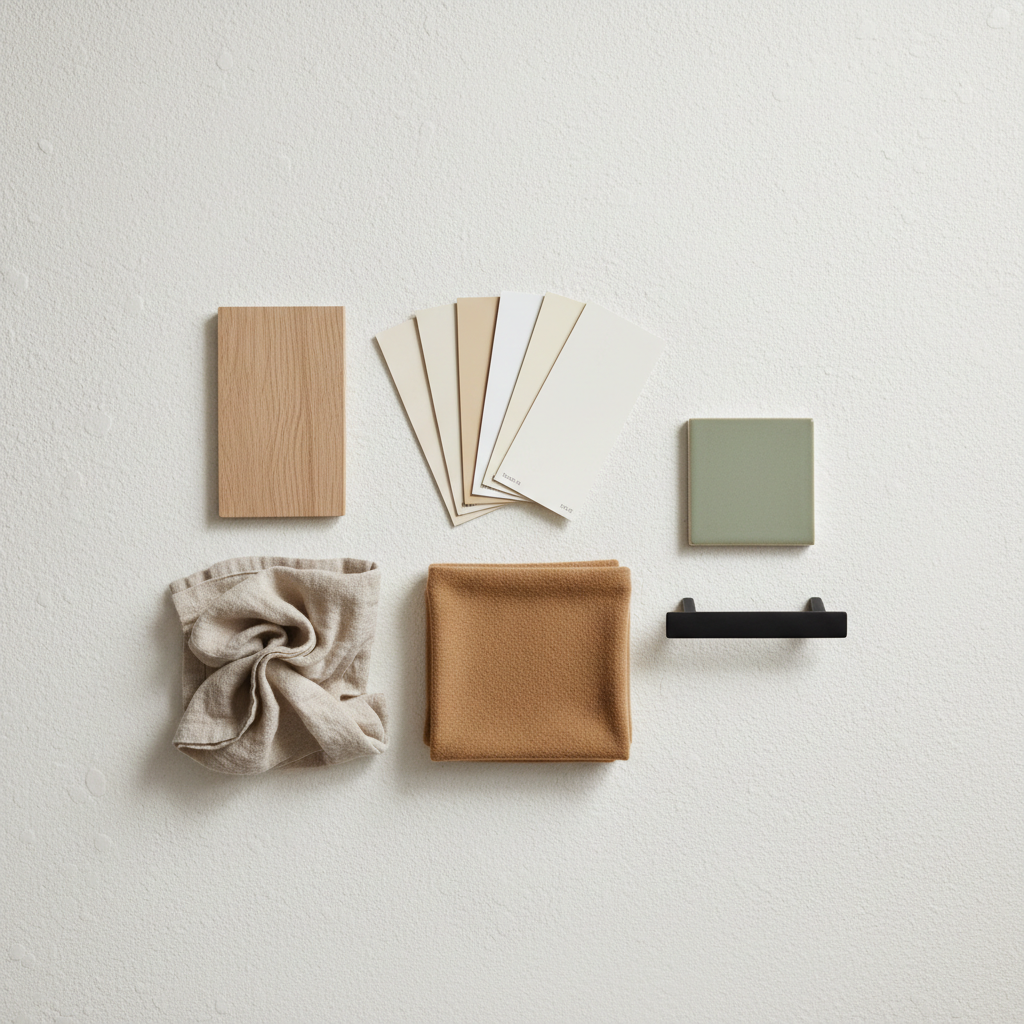
The 2026 Scandi palette: warm neutrals, controlled contrast
Color is where this scandinavian home decor style guide becomes practical. The goal is “bright,” not “blinding,” and “minimal,” not “monochrome.”
- Base: warm whites (cream, off-white), light greige, or soft oat.
- Mid-tones: oak, tan leather, camel textiles, muted clay.
- Contrast: black used sparingly (frames, lamp base, hardware) or deep charcoal instead.
- Optional color: dusty blue, muted green, or terracotta in small, repeatable doses.
A simple rule that keeps rooms from feeling flat: repeat your accent color at least three times (for example, in a pillow, a vase, and one piece of art), then stop.
Furniture and layout: fewer pieces, better spacing
Scandi rooms feel “designed” because the negative space is planned. That doesn’t mean empty, it means the furniture has breathing room and the pathways make sense.
Layout moves that work in real U.S. rooms
- Float the rug big enough that at least the front legs of key seating sit on it.
- Pick one hero piece per zone: sofa, dining table, bed frame. Everything else supports it.
- Use closed storage for the messy category (toys, cables, paperwork), open shelves for the pretty category.
- Round edges help when a space feels sharp: oval coffee table, curved lamp shade, soft headboard.
If your home already has dark floors, you can still stay Scandinavian, you’ll just lean harder on warm lighting, lighter rugs, and pale upholstery to keep the room from sinking.
Materials and texture: the secret to “cozy” without clutter
The fastest way to upgrade with a Scandinavian look is swapping shiny, synthetic finishes for materials that read calm: linen, wool, wood, paper, stone, ceramic.
Texture checklist (pick 4–6, not all 10)
- Wool or wool-blend throw
- Linen or cotton curtains with some weight
- Looped or flatweave rug (avoid super high-shine fibers)
- Wood tray for corralling small items
- Matte ceramic vase or bowl
- Paper or fabric lamp shade to soften light
- Leather accent (pillow, chair, pulls)
- Stone or travertine-style side table
According to The American Society of Interior Designers (ASID), good interiors prioritize well-being and functionality, and texture is one of the simplest ways to make a space feel comfortable without adding more “stuff.”
Lighting: the most underrated Scandi upgrade
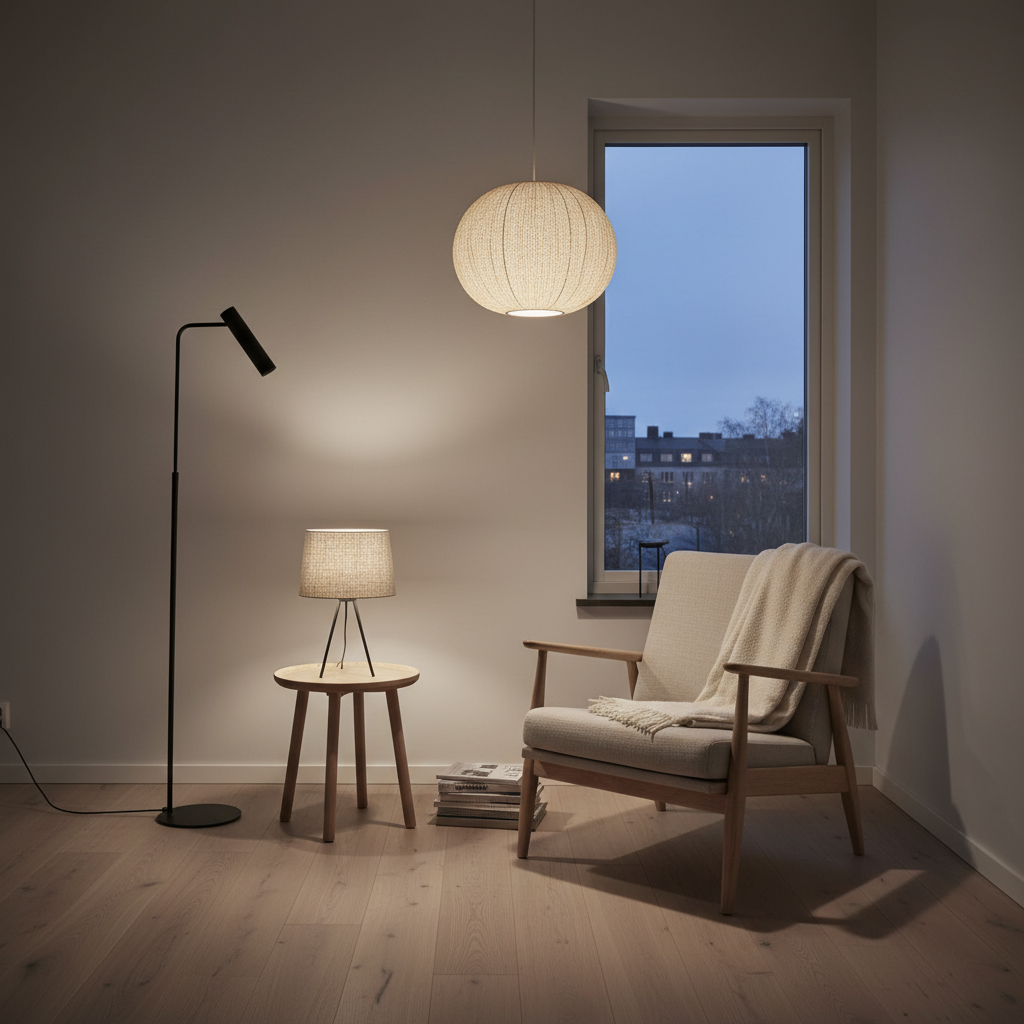
If you take only one idea from any scandinavian home decor style guide, make it this: don’t rely on one ceiling fixture. Scandinavian lighting is layered, soft, and placed where people actually sit.
- Ambient: a ceiling light or pendant, ideally dimmable.
- Task: reading lamp by sofa or bed, under-cabinet kitchen lighting.
- Accent: a small table lamp, wall sconce, or candlelight for evening warmth.
Many people like warm color temperature bulbs for this look. If you’re unsure what’s safe or compatible with your fixtures, it’s smart to check the fixture label and consider advice from a licensed electrician.
Practical 30-day plan: make it Scandi without a full renovation
You don’t need to do everything at once. A calmer result usually comes from a few high-impact changes that reduce visual noise and improve comfort.
Week 1: edit and organize
- Clear surfaces, then put back only what you use weekly.
- Bundle small items into trays or boxes, labels if needed.
- Hide cable clutter where possible, or use simple cord covers.
Week 2: fix the “cold” factor
- Add one large rug or upgrade to a bigger size.
- Replace one throw and two pillow covers with textured neutrals.
- Introduce one mid-tone wood element if your room is all white.
Week 3: lighting and art
- Add a table lamp or floor lamp, then aim it where you sit.
- Hang one large piece of art rather than a busy gallery wall, if calm is your goal.
Week 4: finishing touches
- Bring in one plant (or a few stems in a ceramic vase) for life and softness.
- Do a final pass: if something feels fussy, remove it.
Key takeaway: Scandinavian style looks effortless, but it’s really the result of editing, warm materials, and lighting that makes evenings feel good.
Mistakes that waste money (and what to do instead)
- Buying decor before fixing layout: start with rug size and lighting, then style.
- Going all-white too fast: keep a few mid-tones so the room has depth.
- Too many small frames: one or two larger pieces often look more Scandinavian.
- Ignoring window treatments: heavier linen-like curtains can make the whole room feel finished.
- Matching sets: Scandinavian rooms mix pieces, but within a tight palette.
According to IKEA, their design approach centers on Democratic Design, balancing form, function, quality, sustainability, and affordability, which is a helpful lens when you’re deciding what to upgrade versus keep.
Conclusion: keep it bright, keep it warm, keep it livable
A Scandinavian look in 2026 is less about perfection and more about a home that feels steady: clear surfaces, friendly textures, and lighting that makes you want to stay in the room.
If you want a simple next step, do two things this week: size up your rug (or reposition it correctly) and add one warm lamp. Those changes tend to make everything else fall into place.
FAQ
- What is the difference between Scandinavian and minimalist decor?
Minimalism can be strict and visually sparse, while Scandinavian style usually keeps the room functional and warm with texture, natural materials, and cozy lighting. - Can Scandinavian decor work with dark wood floors?
Yes, in many cases it looks great, you’ll just rely more on light rugs, warm whites, and layered lighting so the room stays bright and balanced. - What colors are most “Scandi” for 2026?
Warm whites, oat and sand neutrals, light woods, and a controlled hit of muted color like sage, dusty blue, or clay tend to feel current without getting trendy. - How do I make Scandinavian decor feel cozy, not cold?
Prioritize textiles and lighting: a larger rug, linen curtains, a wool throw, and at least two lamps in addition to overhead lighting. - What are the best Scandinavian decor ideas for renters?
Focus on movable upgrades like rugs, lamps, pillow covers, curtains on tension rods where possible, and closed storage pieces that reduce visual clutter. - How many decor items should I put on shelves in a Scandi room?
Fewer than you think, leave open space, group items in odd numbers, and mix heights. If you need more storage, add a closed cabinet rather than stacking more objects. - Is Japandi still popular in 2026?
It often is, especially for people who like calmer rooms with natural materials and low clutter, but the best results come from choosing a consistent palette and not mixing too many wood tones.
If you’re trying to follow a Scandinavian look but your space keeps landing “flat,” you may just need a clearer lane and a tighter shopping list. If you want, share your room type and what you’re keeping, and I can help you translate this guide into a simple, realistic plan.