
Space saving storage ideas for small home usually work best when you stop “adding containers” and start redesigning how you use walls, corners, and daily-drop zones.
If your place feels tight, it’s rarely because you own “too much” in a moral sense, it’s because storage is mismatched to how you live. Shoes pile up near the door, mail lands on the counter, linens float between closets. Fix the landing spots, and the home calms down.
This guide keeps things practical, what to change first, what to measure, what to buy only if it earns its footprint. You’ll also see a quick decision checklist, a room-by-room plan, and a simple table you can use to pick the right storage type.
Why small-home storage breaks down (and what actually fixes it)
Most “clutter problems” in small spaces are systems problems. The fix often has less to do with more bins and more to do with fewer steps between using an item and putting it away.
- Dead zones: corners, backs of doors, and upper wall space stay unused because nothing is designed for them.
- Wrong depth: deep shelves swallow items, then you buy duplicates because you can’t see what you own.
- No buffer space: small homes need a small “staging area” for in-between items (returns, packages, laundry). Without it, counters take the hit.
- Furniture with no job: pieces that look nice but store nothing can be expensive square footage.
According to U.S. Consumer Product Safety Commission (CPSC), tip-over incidents are a real hazard, especially with tall dressers and shelving, so any vertical storage plan should include anchoring where appropriate and following manufacturer instructions.
A quick self-check: what kind of storage do you need?
Before you shop, do a fast audit. It helps you choose the right “storage move” instead of repeating the same one.
- If you have piles on surfaces, you likely need drop zones and lids (contained storage) more than extra shelves.
- If you can’t find items you own, you likely need visibility (shallow shelves, labels, clear bins).
- If closets feel full but floors are clear, you likely need vertical stacking and hanging inside closets.
- If your home looks cluttered even when tidy, you likely need fewer categories out in the open and more “closed” storage.
- If you dread cleaning, you likely need lift-off floors (less stuff touching the ground) so vacuuming becomes quick.
Write down your top three pain points by location, “kitchen counter,” “entry shoes,” “bedroom laundry,” and you’ll know where the first wins are.
Room-by-room space saving storage ideas that feel realistic
Space saving storage ideas for small home land best when you start with the highest-traffic friction points, entry, kitchen, bedroom, bathroom, then you move to the “nice to have” zones.
Entryway: stop the pile before it starts
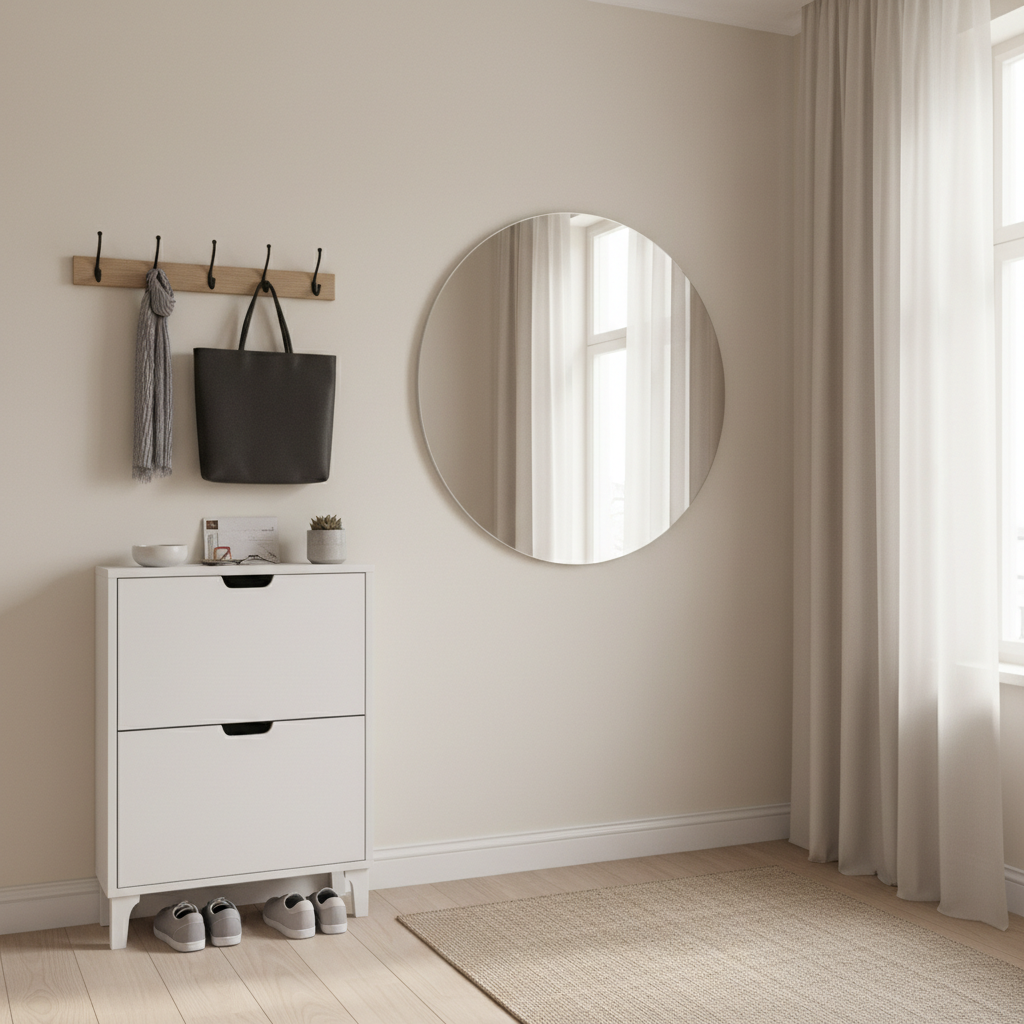
- Wall-mounted rail or hook strip for keys, bags, dog leash, keep it at adult shoulder height.
- Slim shoe cabinet (tilt-out) or a bench with shoe cubbies, pick based on how many pairs you truly rotate weekly.
- Mail slot + recycle bin: sort at the door, not on the counter.
Kitchen: trade deep chaos for shallow clarity
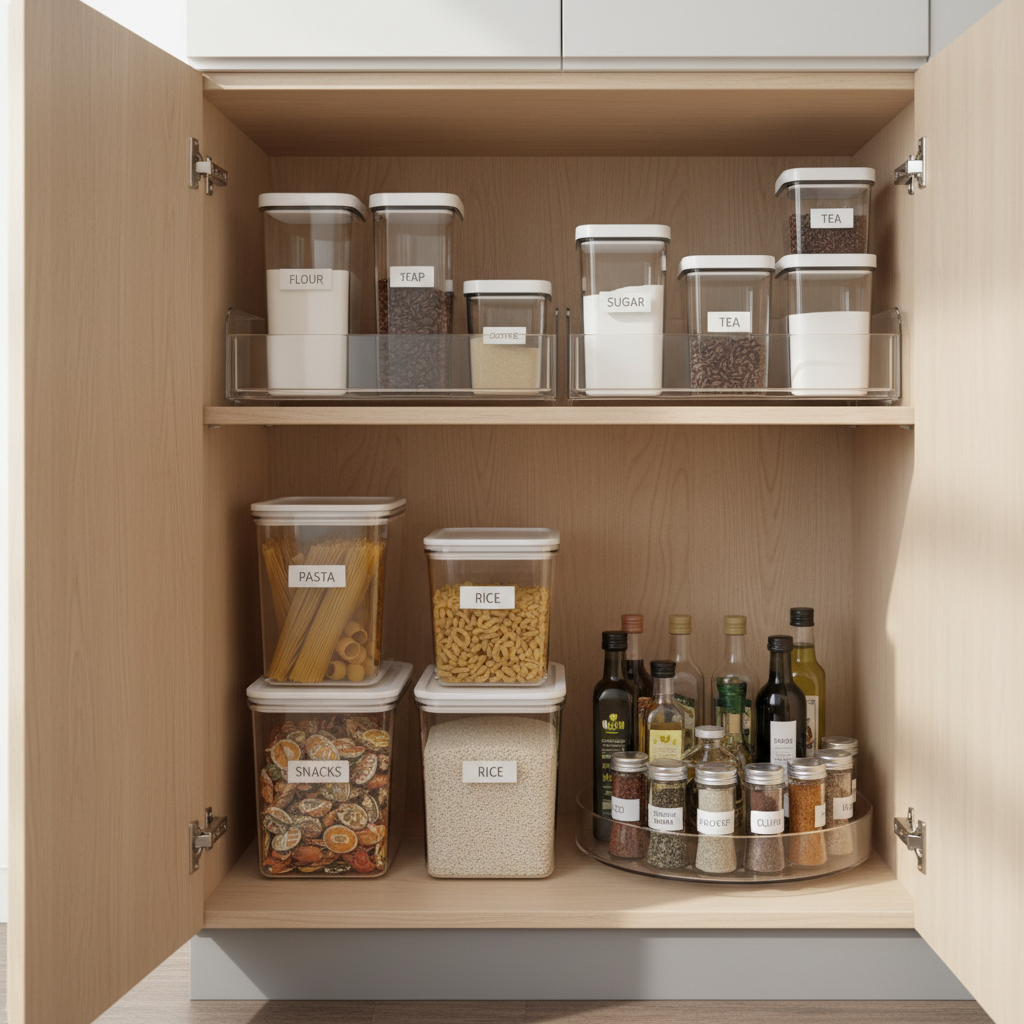
- Use risers in cabinets so plates and bowls stack with less wasted vertical air.
- Lazy Susans for oils, sauces, vitamins, great for corner cabinets where visibility dies.
- Under-shelf baskets for foil, wraps, napkins, especially in rentals where you can’t add drawers.
- One “backstock” bin per category (coffee, snacks), if it overflows, you’re overbuying.
Bedroom: storage that doesn’t make the room feel smaller
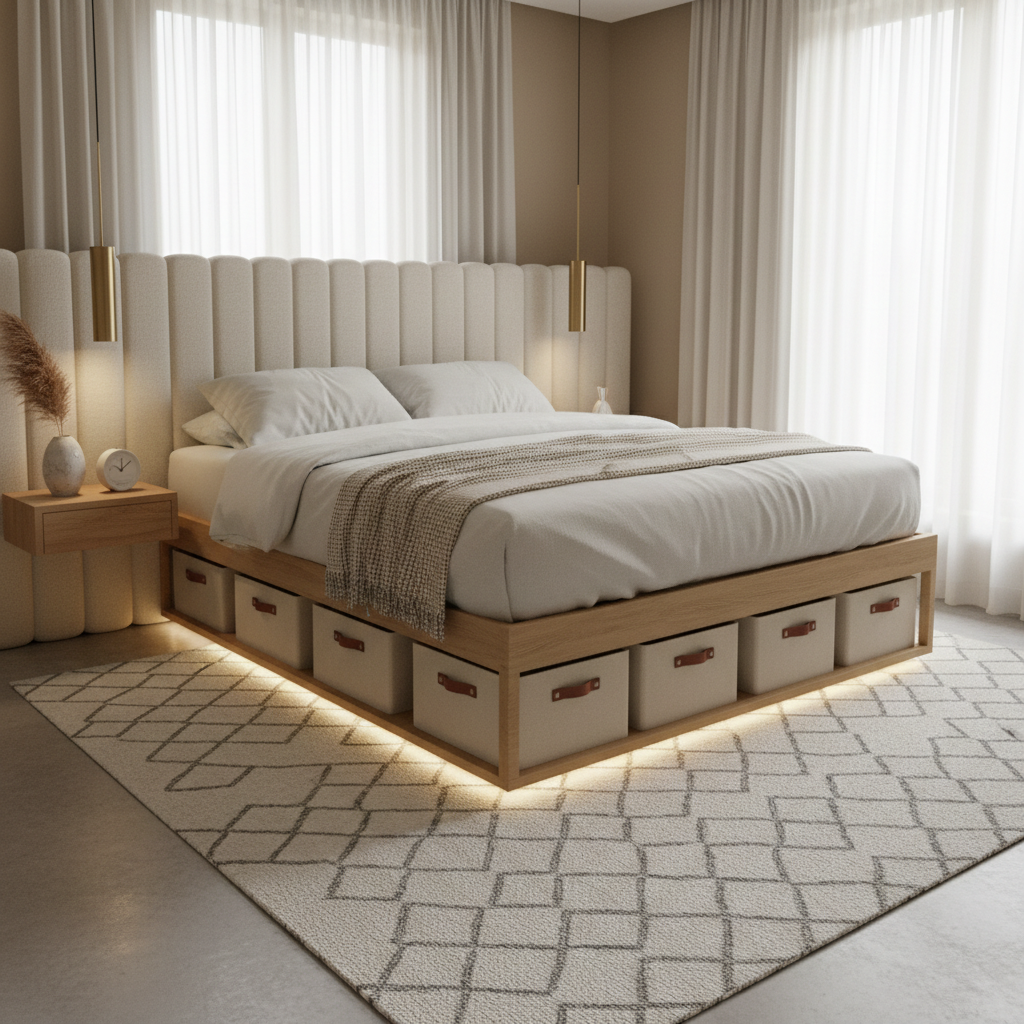
- Under-bed bins for off-season items, choose low-profile bins that slide smoothly and don’t snag carpet.
- Over-the-door rack for belts, scarves, or cleaning tools if closets are tight.
- Closet “double hang” for shirts above, pants below, it’s the simplest way to gain space without construction.
- Bedside wall shelves instead of bulky nightstands when you need floor space.
Bathroom: small changes, big relief
- Medicine cabinet zoning: daily items at eye level, backups up high, avoid buying duplicates.
- Shower niche caddy or tension pole, gets bottles off the tub edge.
- Over-toilet shelf works when it’s stable and not overloaded, anchor if required.
Living room: make furniture do double duty
- Storage ottoman for throws, games, chargers, but cap it to one category so it doesn’t become a junk drawer.
- Low media console with doors hides visual noise, open shelving looks great in photos, less great with real life.
- Wall-mounted shelves placed higher than typical eye level can store “rarely used” items without shrinking walkways.
What to buy (and what to measure first): a simple table
Buying without measuring is how “storage solutions” turn into clutter. Measure width, depth, and clearance for doors or drawers, then match the storage type to the problem.
| Problem you feel | What usually works | Measure this first | Common mistake |
|---|---|---|---|
| Counters always covered | Drop zone tray + lidded bin | Landing spot width (entry/kitchen) | Buying more organizers, no “inbox” rule |
| Closet feels packed | Second hanging rod, shelf dividers | Rod height and shelf depth | Overstuffing bins so nothing slides out |
| Cabinets are a black hole | Pull-out bins, lazy Susans | Cabinet opening width and hinge swing | Choosing bins too wide to pull out easily |
| No room for bulky gear | Vertical wall storage, ceiling racks | Stud locations, ceiling height | Skipping anchors, unsafe installs |
| Paper piles everywhere | Wall file + shred/recycle station | Wall space near entry | Keeping “maybe” papers without a limit |
Practical 60-minute reset plan (no remodel, low stress)
If you want space saving storage ideas for small home that actually stick, aim for a quick win in one zone, then repeat. A whole-house overhaul in a weekend often backfires.
- 10 minutes: pick one pain point zone (entry, kitchen counter, bathroom sink). Clear it completely.
- 15 minutes: sort into “daily,” “weekly,” “rare,” and “leave the home.” If you hesitate, put it in “weekly.”
- 15 minutes: assign a home for daily items within one step of where you use them, hooks, tray, shallow bin.
- 10 minutes: label one or two bins only, too many labels becomes maintenance.
- 10 minutes: set a capacity rule, one tray, one bin, one shelf, when full, something exits.
This plan sounds simple, and it is, but the “capacity rule” is where most people feel resistance. If you honor it for two weeks, the space starts staying tidy with less effort.
Common mistakes that waste money (and patience)
- Buying containers before decluttering: you end up organizing items you don’t even want.
- Oversized furniture for “more storage”: if it blocks walkways or light, the room feels smaller even if it holds more.
- Open shelving everywhere: it demands constant styling, closed storage is often kinder to real life.
- Ignoring safety: tall shelving, heavy wall hooks, and ceiling racks should be installed per instructions; if you rent or have older walls, asking a handyman may be worth it.
- Too many micro-categories: “batteries AA, batteries AAA, batteries coin” sounds nice until you’re tired, then everything ends up in one pile again.
When it’s time to bring in a pro (or at least ask for help)
If you’re considering wall-mounted systems, ceiling racks, or heavy-duty shelving, professional installation can be the safer route, especially in older buildings or if you’re unsure about studs and anchors. If clutter is tied to stress, grief, or anxiety, it may help to work with a professional organizer or a mental health professional, depending on what’s driving the situation.
According to National Association of Productivity & Organizing Professionals (NAPO), organizing support often works best when it’s tailored to your habits and constraints, not an idealized aesthetic.
Key takeaways to keep your small home feeling bigger
- Start with friction points (entry, kitchen counter), not the “prettiest” area.
- Go vertical carefully, walls and doors are your hidden square footage, but install safely.
- Choose shallow, visible storage when you tend to forget what you own.
- Set capacity rules so storage doesn’t quietly expand into every surface.
Your next best move: pick one zone that annoys you daily, measure it, and make one change you can keep up with on your busiest week, not your most motivated day.
FAQ
What are the best space saving storage ideas for small home if I rent?
Look for removable hooks, over-the-door racks, tension poles, and freestanding shelves. You can still get big gains without drilling, just keep weight limits in mind and follow product instructions.
How do I make a small home feel bigger without getting rid of everything?
Reduce what’s on surfaces, increase closed storage, and lift items off the floor when possible. The home can feel larger even with the same amount of stuff if visual noise drops.
Are under-bed storage bins worth it?
Usually yes for off-season clothing, extra linens, or rarely used gear, as long as you use bins that slide easily and you don’t stash items you’ll need weekly.
What’s the fastest storage upgrade for a tiny kitchen?
Cabinet risers and a lazy Susan tend to give quick wins because they improve visibility. If you can add one thing, add what helps you see items at a glance.
How do I stop my “junk drawer” from multiplying?
Give the drawer a job, one category like tools or charging cables, and put a small divider inside. If it becomes “everything,” it’s usually missing a nearby drop zone for mail and random items.
What storage solutions are safer for homes with kids or pets?
Favor closed cabinets, avoid top-heavy stacks, and anchor tall furniture when recommended. If you’re unsure about stability, a professional installer can help assess your setup.
How many organizers should I buy at once?
Start with the minimum for one problem area, live with it for a week, then scale. This prevents buying the wrong sizes or creating more clutter with unused containers.
Do open shelves work in a small living room?
They can, but they require discipline and consistent editing. If you know you won’t “style” them weekly, a unit with doors often looks calmer with less effort.
If you’re trying to get your place under control but don’t want to waste money on random bins, it can help to map your pain points, take a few measurements, and build a simple room-by-room shopping list so every item you bring in earns its space.