
Best outdoor rugs weather resistant options all come down to the same basics: the right material, a construction that can breathe and drain, and sizing that doesn’t create a constant tripping or curling-corner problem.
If you’ve ever bought a “cute” patio rug that turned into a soggy mildew magnet, faded in one season, or slid around like it’s on ice, you already know why this matters. Outdoor rugs live a rough life: UV, rain, pool water, pollen, grill grease, and temperature swings.
This guide helps you pick a rug that fits your patio use (covered vs open, wet vs dry climate, pets vs no pets), plus a quick checklist, a comparison table, and care tips that keep the rug looking decent longer than a few weekends.
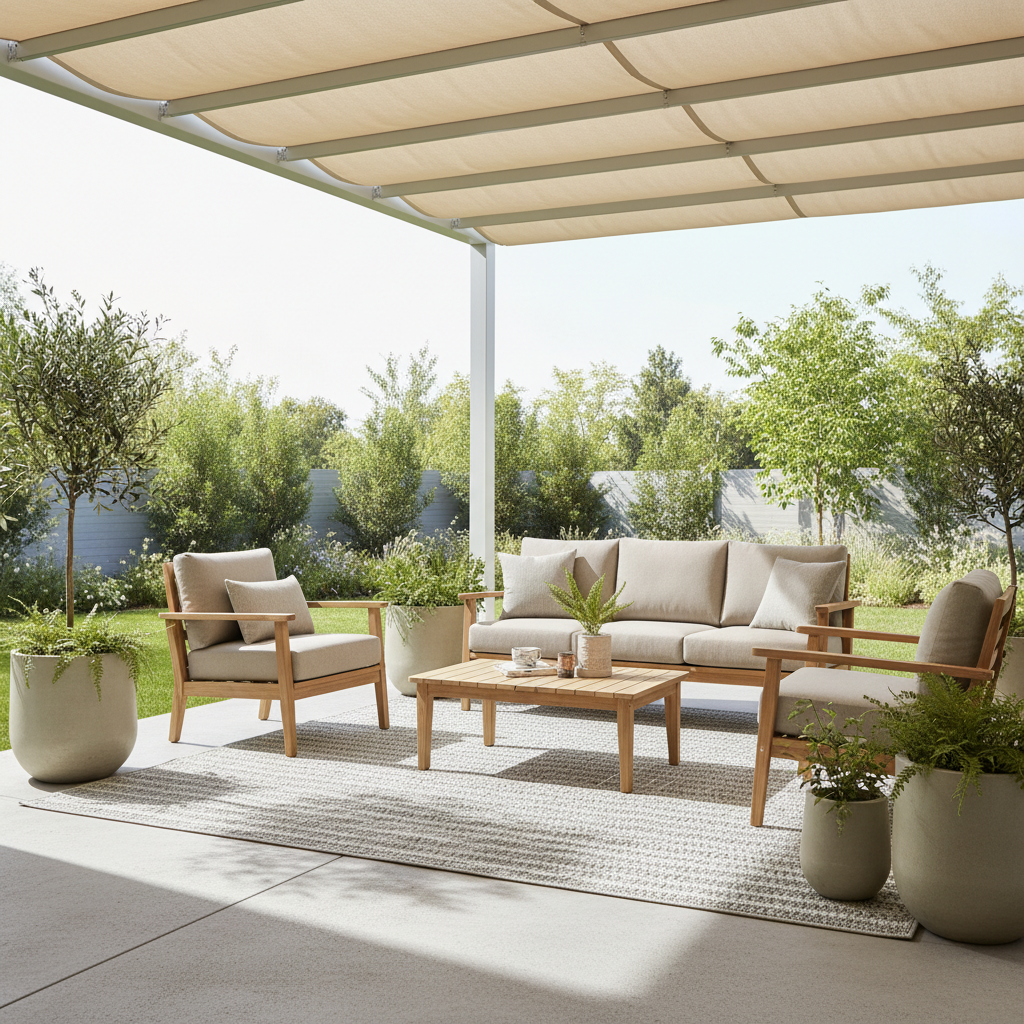
What “weather resistant” really means for outdoor rugs
In outdoor-rug marketing, “weather resistant” usually means the rug can handle moisture and sun better than indoor fibers, but it still won’t be indestructible. The goal is fewer headaches: less fading, less odor, faster drying, and easier cleaning.
- UV resistance: slows fading and fiber breakdown in direct sun.
- Moisture tolerance: fibers that don’t absorb much water, so mildew is less likely.
- Drainage and breathability: helps the rug dry instead of trapping water against the deck.
- Stain and spill cleanup: you can rinse it without panic.
According to the U.S. Environmental Protection Agency (EPA), moisture control is a key factor in preventing mold growth, which is exactly why quick-drying materials and airflow under the rug matter in real patios.
Materials that hold up outdoors (and where they struggle)
When shoppers ask for the best outdoor rugs weather resistant enough for a patio, material choice does most of the heavy lifting. Here’s the practical rundown.
Polypropylene (olefin)
The default “good value” outdoor rug fiber. It typically resists moisture, cleans easily, and dries faster than many alternatives. It can still fade over time in intense sun, but it’s often the easiest to live with.
Recycled plastic (PET)
Often made from recycled bottles, PET can feel softer underfoot than basic polypropylene. Many PET rugs perform well outdoors, but in very wet, shaded spots, drying speed and mildew resistance vary by weave and backing.
Vinyl and PVC styles
These are more “mat-like” than rug-like. They can be very wipeable and practical for messy areas, but heat and direct sun can make some versions warp or feel hot under bare feet.
Natural fibers (jute, sisal, seagrass)
Usually a bad match for open-air patios. They can hold moisture, stain easily, and break down faster outside. They may work on a fully covered porch in a dry climate, but even then you’re babysitting it.
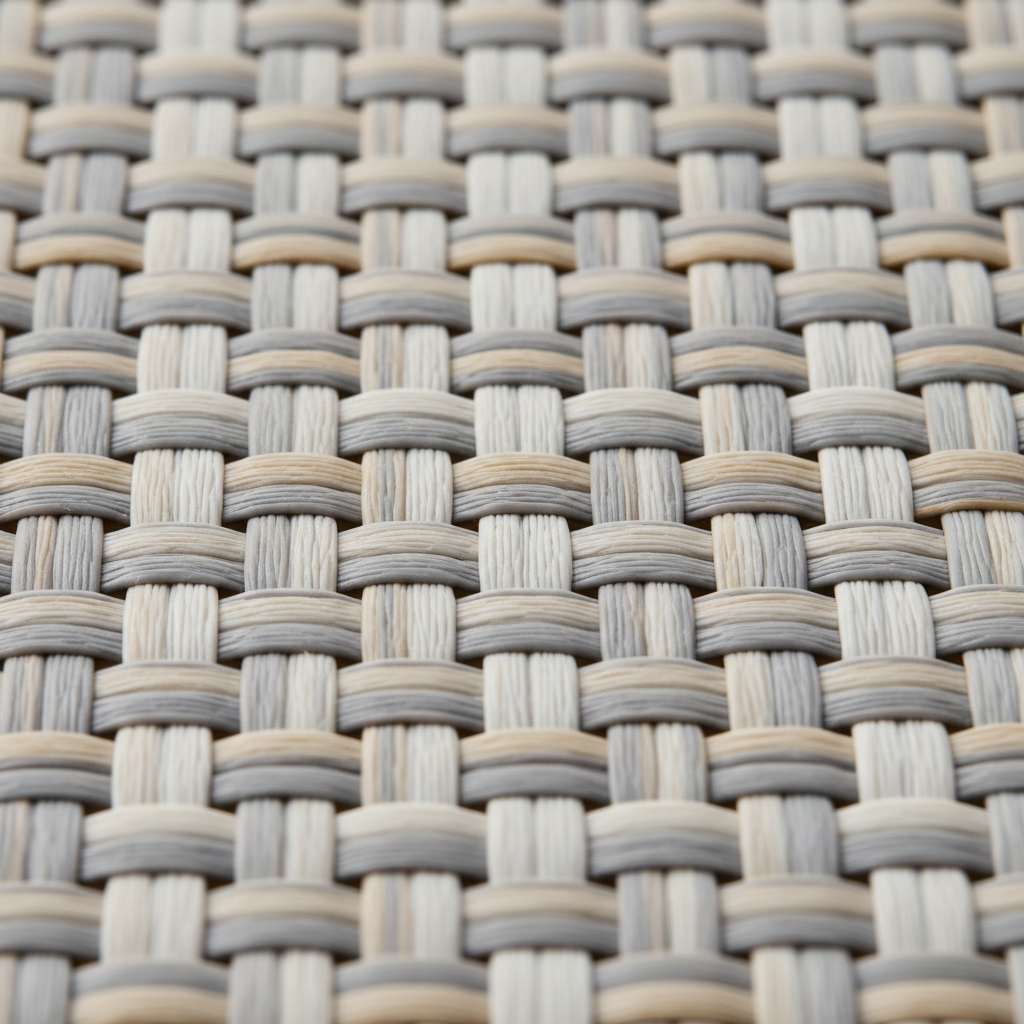
Quick comparison table: pick what fits your patio
Use this as a shortcut, then confirm the product details (especially backing, thickness, and cleaning instructions). Many “outdoor” rugs are outdoor-ish, not outdoor-proof.
| Material | Best for | Pros | Watch-outs |
|---|---|---|---|
| Polypropylene | Most patios, families, pets | Fast-drying, easy rinse, good price | Can fade in strong sun, some feel stiff |
| Recycled PET | Covered patios, comfort underfoot | Softer feel, often stylish weaves | Drying speed varies, check backing |
| Vinyl/PVC | Grill zone, kids crafts, high-mess areas | Wipeable, stain-resistant | Heat buildup, potential warping |
| Natural fiber | Dry, fully covered porches | Natural look and texture | Moisture issues, stains, shorter lifespan outdoors |
Self-check: which “weather resistant” level do you actually need?
Most buying mistakes happen because the rug looks right, but the patio conditions are harsher than people admit. Run through this quickly.
- Is the patio fully exposed to rain? If yes, prioritize quick-drying weaves and avoid absorbent fibers.
- Do you get strong afternoon sun? UV resistance matters more than softness; consider rotating the rug.
- Pool, hot tub, or frequent hose-downs nearby? Choose materials that won’t hold water, and plan for drainage under the rug.
- Pets or kids? Darker patterns hide stains; low pile makes cleanup easier.
- Deck, concrete, pavers, or tile? Slip and airflow change by surface, a rug pad may be the difference between “fine” and “dangerous.”
Key point: If your rug stays damp for long stretches, mildew smell and discoloration become a “when,” not an “if.”
How to choose the best size, pile, and construction
Even the best outdoor rugs weather resistant in the right fiber can annoy you daily if sizing and construction are off. A few rules that keep things sane:
Size: go bigger than you think
- For dining sets, aim for a rug large enough that chairs stay on the rug even when pulled out.
- For seating areas, at least the front legs of sofas/chairs should sit on the rug, or the whole set if space allows.
- Leave a small border of patio surface exposed so water can run off and you can sweep debris.
Pile height: low pile usually wins outdoors
- Low pile/flatweave: easier to hose off, less trapped sand and leaves, doors clear more easily.
- Thicker piles: feel nicer, but can trap moisture and take longer to dry in humid regions.
Construction details that matter
- Bound edges reduce fraying.
- Tighter weave can shed less, but may drain slower depending on backing.
- Breathable backing helps on decks where trapped moisture can be a headache.
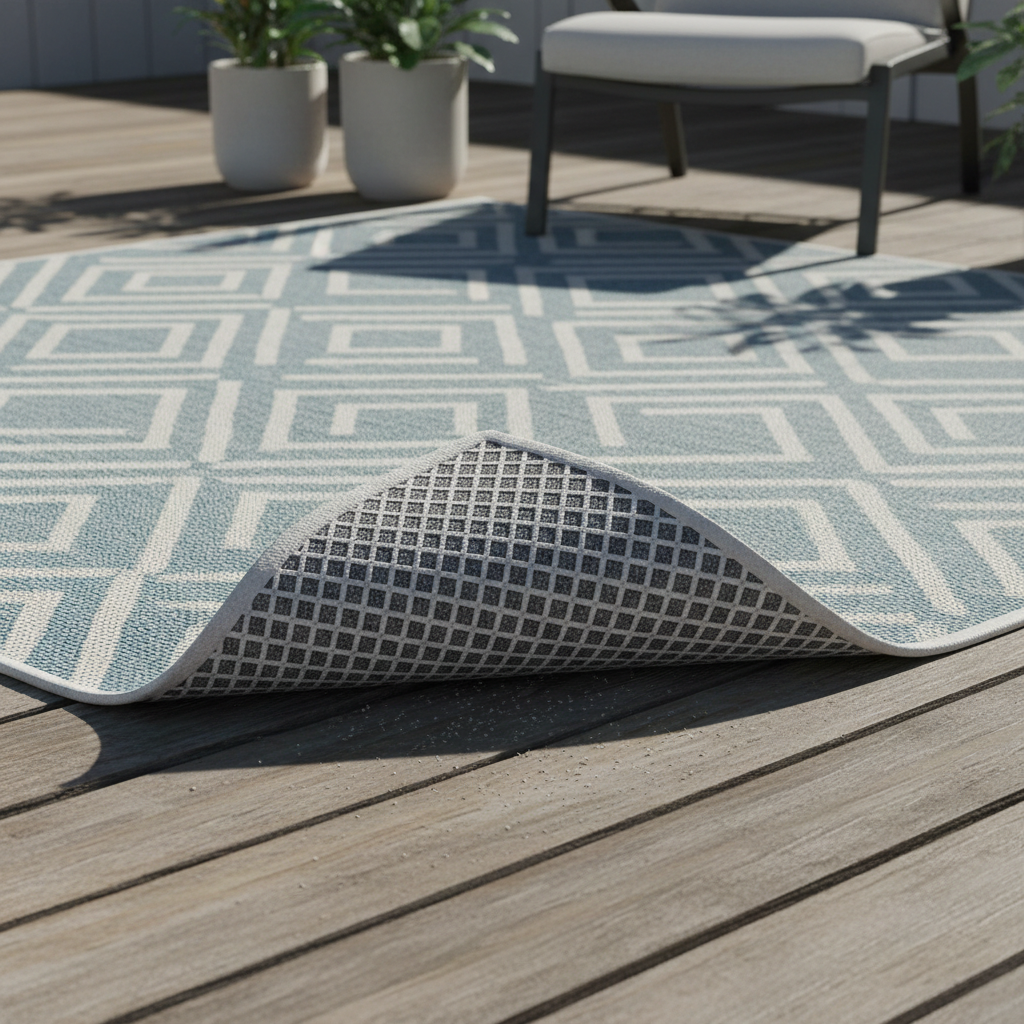
Practical setup and care that makes a rug last longer
You don’t need a complicated routine, but you do need a few habits. This is where outdoor rugs fail in real life.
Setup steps (especially for rain-prone patios)
- Add airflow: on decks and sealed concrete, consider a breathable outdoor rug pad so water doesn’t sit underneath.
- Lay it flat early: warm sun helps relax shipping folds, weights on corners can help.
- Keep it out of constant runoff: if a downspout dumps water onto the rug, move the rug or redirect the water.
Cleaning that works without overthinking
- Shake or sweep weekly in leaf season, debris holds moisture.
- Spot clean quickly, most outdoor fibers forgive mild soap and water.
- Rinse seasonally, then dry both sides if possible, flipping helps prevent musty odors.
According to the Centers for Disease Control and Prevention (CDC), mold prevention focuses on keeping areas clean and dry. If you notice persistent musty odor, improving drying time usually matters more than stronger cleaners.
Common mistakes (and how to avoid wasting money)
- Buying “indoor/outdoor” without reading care notes: some are fine outdoors but want covered placement.
- Ignoring the surface under the rug: smooth tile or sealed concrete often needs grip, safety comes first.
- Choosing light solids for high-traffic patios: they look great for photos, then reality shows up fast.
- Leaving the rug wet for days: if it’s soaked, lift and dry it, otherwise mildew can set in.
- Forgetting wind: lighter rugs can shift, curled edges become a trip hazard.
If you’re dealing with frequent storms or heavy shade, it’s worth prioritizing a simpler flatweave that you can rinse and dry quickly, instead of a plush rug that never fully dries.
Conclusion: a simple way to pick confidently
The “best” option is the rug that matches your patio conditions more than the one with the prettiest pattern. Start with a quick-drying synthetic (often polypropylene), choose a low pile that won’t trap debris, and plan for airflow underneath if your space stays damp.
If you take one action today, measure your seating or dining zone and decide whether your patio is mostly sun, mostly wet, or mostly mess, that single decision narrows the choices fast and keeps you from buying a rug you end up fighting.
FAQ
- What are the best outdoor rugs weather resistant for a rainy climate?
Look for low-pile polypropylene or similar quick-dry synthetics, plus a breathable setup so water doesn’t stay trapped underneath. - Will an outdoor rug damage a wood deck?
It can if moisture gets trapped for long periods. A ventilated rug pad and occasional lifting to dry usually helps, but deck condition and finish matter. - How do I stop an outdoor rug from slipping on concrete?
A non-slip outdoor-rated rug pad is the most reliable fix. In windy areas, adding corner weights can also help. - Do outdoor rugs get moldy?
They can, especially in shade or humidity. Fast-drying materials and regular drying time reduce risk, if mold seems persistent, you may want to consult a cleaning professional. - How often should I clean a patio rug?
In many homes, quick sweeping weekly and a rinse every few weeks during heavy use is enough. If you grill a lot or have pets, spot clean sooner. - Can I leave an outdoor rug out all winter?
Sometimes yes, but freezing-thaw cycles and prolonged damp can shorten lifespan. Many people roll and store it dry during harsh winters. - What size outdoor rug should I buy for a patio dining set?
A common rule is large enough that chairs stay on the rug when pulled out. Measuring your table plus chair pull-back distance prevents constant snagging.
If you’re trying to narrow choices quickly, a simple approach is to decide your top priority, fast drying, soft feel, or easiest cleanup, then filter rugs by material and weave rather than browsing patterns endlessly.