
Best folding chairs for small spaces are the ones you can actually store without a fight, pull out fast when guests show up, and sit in for more than 10 minutes without regretting it. The tricky part is that “folding chair” covers everything from featherweight metal basics to padded, almost-dining-chair options, and the right pick depends on how you live.
If you’re in an apartment, a small dining nook, or a multipurpose home office, the chair isn’t just seating, it’s also storage. Thickness when folded, what it leans against without sliding, whether it scratches floors, and how it looks in the corner all matter more than most people expect.
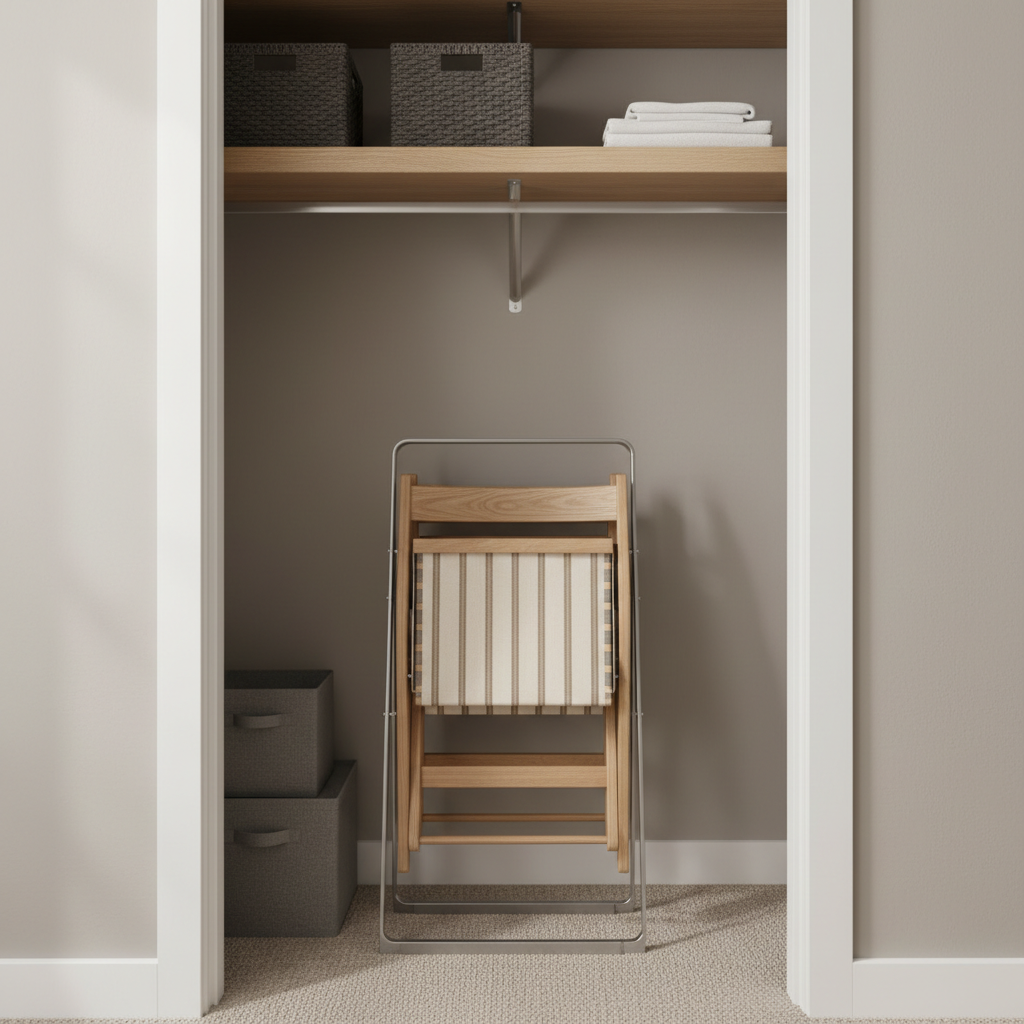
This guide focuses on what makes a folding chair genuinely small-space-friendly, how to choose for real guests and real meals, and what to avoid so you don’t end up with a pile of wobbly seats you never use.
What really makes a folding chair “small-space friendly”
People often shop by price or looks, then realize later the chair is bulky when folded, pinches fingers, or feels like a temporary solution forever. In small homes, the best chairs behave more like “store-away furniture” than party supplies.
- Folded thickness: A slimmer folded profile stacks easier behind a door, in a closet, or beside a bookcase.
- Weight and carry feel: If you dread moving them, you’ll stop using them. Lighter helps, but not if it sacrifices stability.
- Seat comfort: Seat shape and a little flex or padding matter more than most spec sheets admit.
- Floor friendliness: Non-marring feet help protect hardwood and reduce that “scrape” sound in quiet apartments.
- Guest confidence: A chair that feels solid is a social win. Nobody relaxes on something that creaks.
According to CPSC (U.S. Consumer Product Safety Commission), consumers should follow product warnings and use chairs as intended to reduce tip-over and pinch hazards. That’s especially relevant with folding mechanisms and uneven floors.
Quick comparison table: choose your “type” first
Instead of chasing one universal winner, pick the category that fits your space and how often you host. Then compare models inside that category.
| Best for | Chair type | Why it works in small spaces | Trade-offs |
|---|---|---|---|
| Occasional guests, ultra tight storage | Thin metal resin-seat | Stacks compact, low cost, quick to deploy | Comfort varies, can feel “event-like” |
| Long dinners, game nights | Padded fabric/vinyl seat | More comfortable, less pressure on thighs | Thicker fold, padding can wear |
| Small dining area that needs to look good | Wood folding chair | Blends with decor, often sturdier feel | Heavier, finish can scratch if abused |
| Balcony/patio overflow seating | Outdoor folding chair | Weather-friendly materials, easy wipe-down | Not always comfy indoors |
A realistic checklist before you buy (5 minutes, saves returns)
If you do nothing else, run this checklist against the product page and your home. It’s boring, but it catches the stuff that usually goes wrong.
- Measure your storage spot: width, depth, and how many chairs you need stacked.
- Check folded thickness: brands describe this differently, look for photos showing the stack.
- Look for a stated weight capacity: a vague listing is a yellow flag; choose a chair that fits your household needs.
- Confirm seat height: especially if you’ll use them at a dining table; too low feels awkward fast.
- Feet and floor protection: rubber or non-marring caps reduce damage and noise.
- Locking or stable hinge design: you want a chair that opens with a confident “set,” not a wiggle.
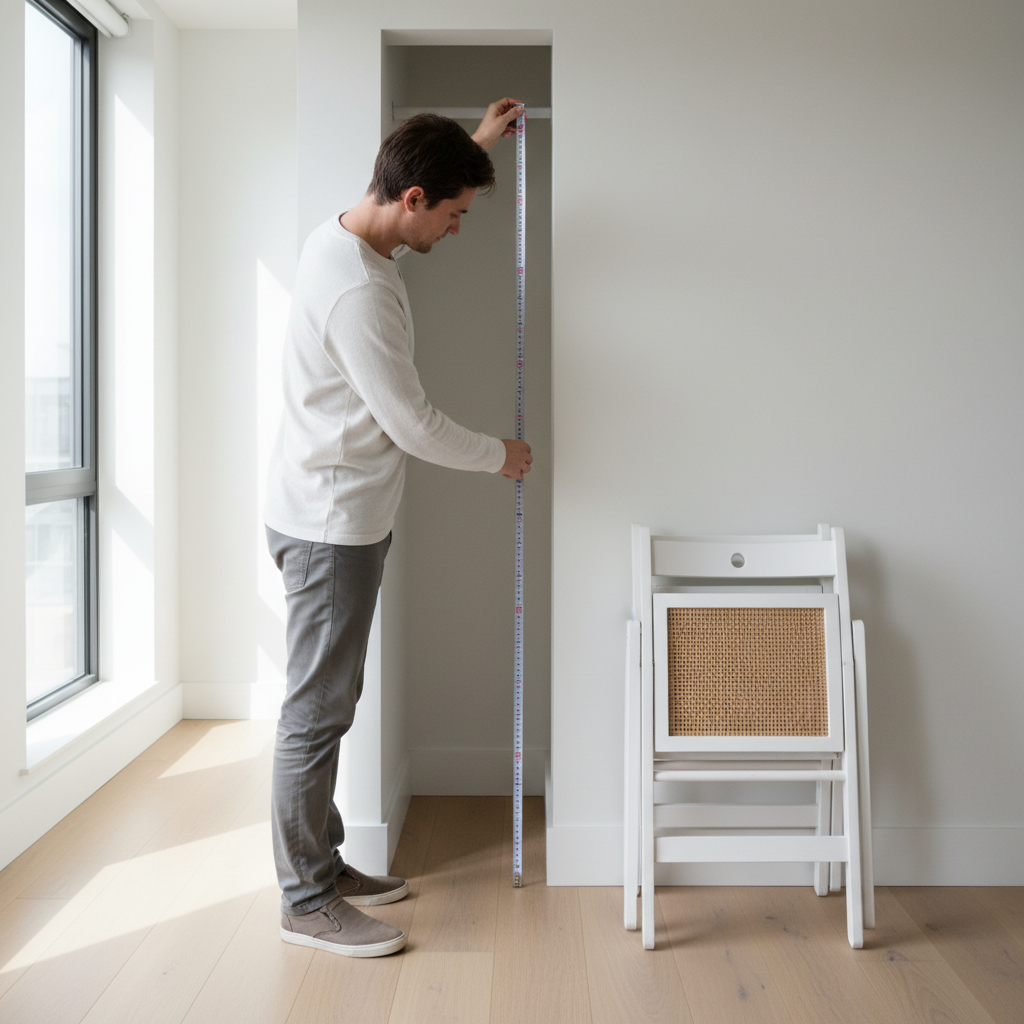
Key point: if you can’t describe where they’ll live when folded, you’re not done choosing. Storage is the product.
How to pick the best option for your space (by scenario)
1) Studio or one-bedroom: closet, behind-door, or wall edge storage
For a studio, the best folding chairs for small spaces usually mean “thin and light enough to move often.” Prioritize folded profile and smooth edges that won’t catch on coats, bags, or closet shelving.
- Choose slim metal or slim wood frames if you’ll stack 4–6 deep.
- Prefer matte finishes if they’ll be visible in the corner.
- If noise matters, add adhesive felt pads to chair feet and the wall contact point.
2) Small dining table: comfort for 60–120 minutes
This is where many “cheap extras” fail. If guests stay for dinner, a slightly contoured seat or light padding is worth the extra bulk.
- Look for a wider seat and a backrest angle that doesn’t force a straight-up posture.
- Pick materials you can wipe quickly, especially if meals happen often.
- Consider matching two everyday chairs with two folding chairs that live stored, so the room looks intentional.
3) Home office that turns into guest seating
If your folding chairs sit near your desk most days, appearance and “does it squeak” become real quality-of-life issues. Wood folding chairs or upholstered folding chairs can look less temporary.
- Check whether the chair has a carry handle or a balanced grip point.
- Avoid sharp metal edges that can snag cables or scratch desk legs.
Comfort and safety details people skip (and later regret)
Most frustrations come from small design details that aren’t obvious online. You can still shop smart, you just need to know what to look for.
- Seat “waterfall” edge: a slightly rounded front edge reduces pressure behind the knees.
- Back support: even a small curve in the backrest can make the chair feel less like a placeholder.
- Pinch points: folding hinges can pinch fingers; teach kids to keep hands clear and close chairs slowly.
- Stability on uneven floors: if your floor isn’t perfectly flat, a chair with better lateral stiffness feels safer.
According to OSHA, maintaining stable seating and keeping walkways clear helps reduce slip, trip, and fall risks in work areas. At home, that translates to checking chair placement, not blocking exits, and avoiding cluttered deployment during parties.
If someone in your household has back pain, hip issues, or balance concerns, a folding chair might not be the right seat for long stretches. In that situation, it’s reasonable to choose sturdier seating or ask a professional (such as a clinician or OT) for general guidance.
Practical setup tips: make folding chairs feel “guest ready”
Even the best folding chairs for small spaces can feel awkward if you deploy them like last-minute gear. A few small moves make them feel like part of the home.
- Create a storage routine: a hook, a slim rack, or a dedicated closet side keeps stacks from falling over.
- Add floor protection: felt or rubber pads reduce noise and help chairs slide less.
- Keep a table plan: know how many chairs fit without crowding, and where extras go so traffic paths stay open.
- Have a “comfort backup”: one cushioned chair or sturdy armchair for anyone who needs more support.
Common mistakes (so you don’t buy twice)
- Buying for the party you imagine, not the storage you actually have. If storage is annoying, the chairs become clutter.
- Ignoring seat height, then wondering why dinner feels cramped.
- Over-focusing on weight capacity alone. It matters, but stability, hinge quality, and foot design matter too.
- Assuming “padded” means comfortable. Thin padding on a hard base still feels hard after an hour.
- Forgetting cleanup. Fabric can hold odors or stains; wipeable surfaces are often easier for frequent hosting.
Conclusion: the right folding chair is the one you’ll actually use
Shopping for folding chairs is less about hunting a single winner and more about matching your storage reality with how long people sit in your home. If you host occasionally, go slim and easy to stack. If you host for meals, lean toward comfort and stability even if the folded stack gets thicker.
Your next step can be simple: measure the storage spot, decide your “chair type” from the table above, then shortlist two or three models that clearly state folded size, seat height, and weight capacity. That usually leads to a purchase you won’t resent every time you open the closet.
FAQ
What are the best folding chairs for small spaces if I only have a narrow closet?
Look for chairs with a slim folded profile and a design that stacks neatly without sliding. In narrow closets, small differences in folded thickness add up quickly when you store four or more.
Are padded folding chairs worth it for guests?
Often, yes, if guests sit through dinner or game night. The trade-off is thicker storage and sometimes more wear over time, so choose wipeable padding if spills are likely.
How many folding chairs should I buy for a small apartment?
A common sweet spot is 2–4 extra seats, but it depends on your table size and storage. If you rarely host more than two extra people, buying six usually turns into clutter.
Do wooden folding chairs take up more space than metal ones?
Many do fold thicker and weigh more, though some are surprisingly slim. Wood can look more like “real furniture,” which helps if the chairs stay visible.
What seat height should I look for with a standard dining table?
Most dining tables pair best with typical dining chair heights, but folding chair listings vary. If the seat is noticeably low, guests may feel like they’re reaching up to the table, so check measurements rather than guessing from photos.
How do I stop folding chairs from scratching hardwood floors?
Non-marring feet help, and felt pads can reduce scraping. Also check that the chair’s feet sit flat; uneven contact can drag grit and scratch more easily.
Are folding chairs safe for kids or older adults?
They can be, but pinch points and tip risks are real. Supervise kids around hinges, place chairs on stable flooring, and if someone needs extra support or has balance issues, sturdier seating may be a better choice.
If you’re trying to furnish a tight apartment and want a more “set-and-forget” setup, it can help to build a small seating plan, how many chairs you truly need, where they store, and which two features you refuse to compromise on, so you spend once and keep your space calm.