
Best waterproof mattress protectors are the simplest way to keep spills, sweat, pet accidents, and allergy mess from turning into permanent mattress stains. If you’ve ever tried spot-cleaning a soaked mattress at midnight, you already know why a solid protector matters.
The tricky part is that “waterproof” doesn’t automatically mean comfortable. Some protectors run hot, some crinkle, and some only protect the top surface while liquids sneak through the sides. Picking the right one is less about hype and more about matching materials and fit to how your bed is actually used.
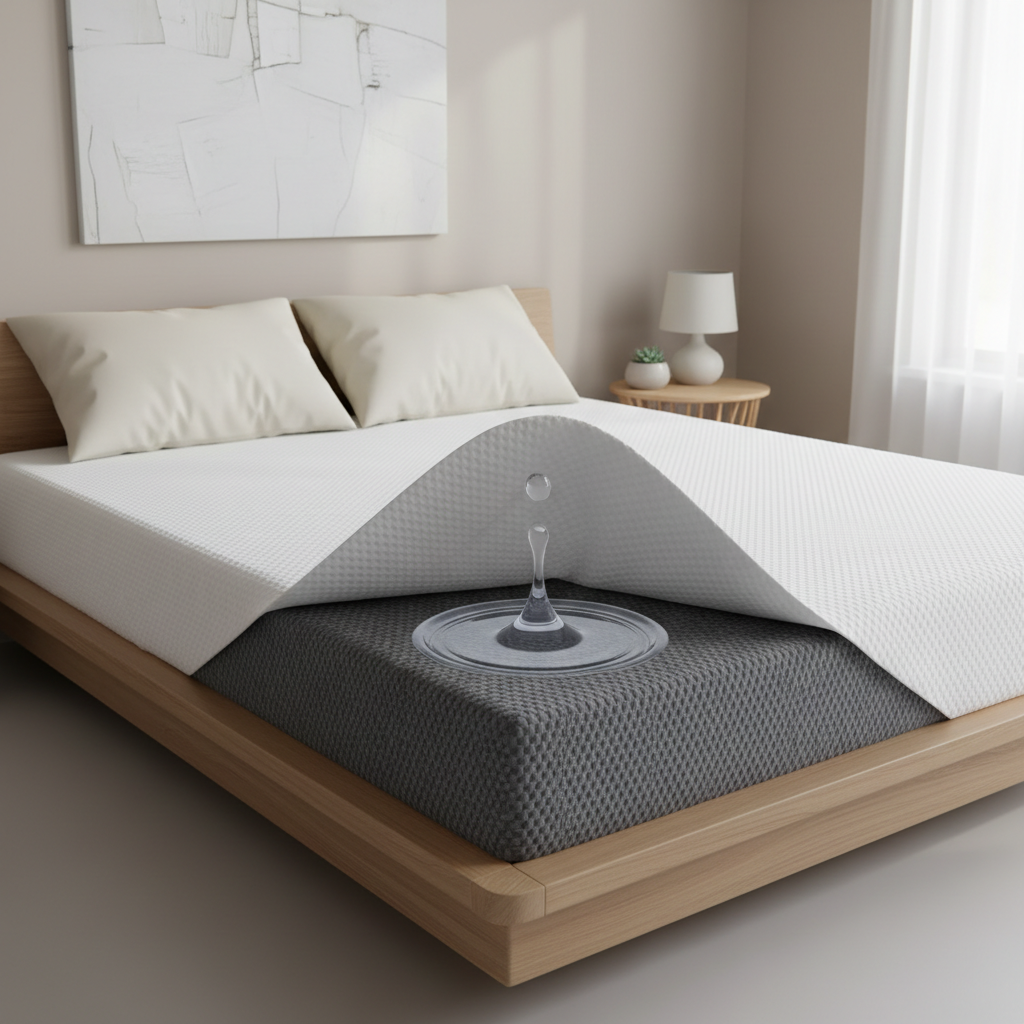
This guide walks through what to look for, how to tell if a protector is truly waterproof (not just “water-resistant”), and which types tend to work best for kids, hot sleepers, pets, and memory foam. You’ll also get a quick comparison table and a short checklist to avoid the most common buying mistakes.
What “waterproof” really means (and what it doesn’t)
A waterproof mattress protector should block liquid from reaching the mattress surface, usually by using a thin barrier layer bonded to fabric. In many cases, that barrier is TPU (thermoplastic polyurethane), which is flexible and typically quieter than older vinyl-style barriers.
What it doesn’t mean: it won’t necessarily protect against everything. Some protectors only cover the top panel, leaving the sides exposed, and some “waterproof” claims rely on coatings that wear down faster if washed hot or dried on high heat.
According to the U.S. Consumer Product Safety Commission (CPSC), mattresses must meet federal flammability standards. A protector won’t change that requirement, but you should avoid DIY waterproofing sprays or off-brand coatings that could add unknown chemicals or affect breathability.
Quick comparison table: choosing a protector by your bed situation
Here’s a practical way to narrow options before you start reading reviews for hours.
| Situation | What to prioritize | Usually a good match | Watch out for |
|---|---|---|---|
| Kids (nighttime accidents) | Full waterproofing, deep pockets, easy washing | Fitted terry/jersey top + TPU barrier | Top-only pads that leave sides exposed |
| Hot sleepers | Breathability, low heat retention | Thin knit + TPU; “cooling” top fabrics | Thick quilted tops that trap warmth |
| Allergies/dust mite concerns | Zip encasement, tight seams | Waterproof zippered encasement | Loose fitting protectors with gaps |
| Pets (hair + accidents) | Durability, stain resistance, non-slip fit | Fitted protector + frequent wash routine | Delicate bamboo-viscose blends that pill |
| Memory foam mattress | Stretch, quiet, stays put | Jersey/knit fitted protector | Stiff, noisy barriers that “drum” on foam |
Why some waterproof protectors feel noisy, hot, or flimsy
Most complaints trace back to a few predictable design choices. Knowing them helps you avoid a bad match even if the product has a lot of ratings.
- Barrier type and thickness: TPU is commonly quieter, while thicker films can crinkle or feel plasticky.
- Top fabric: Terry and jersey tend to feel soft; quilted tops feel plush but can trap heat and hold moisture longer.
- Construction: Laminated layers can delaminate if care instructions are ignored, especially high heat drying.
- Fit: Shallow pockets or weak elastic cause shifting, which makes noise worse and reduces protection at the edges.
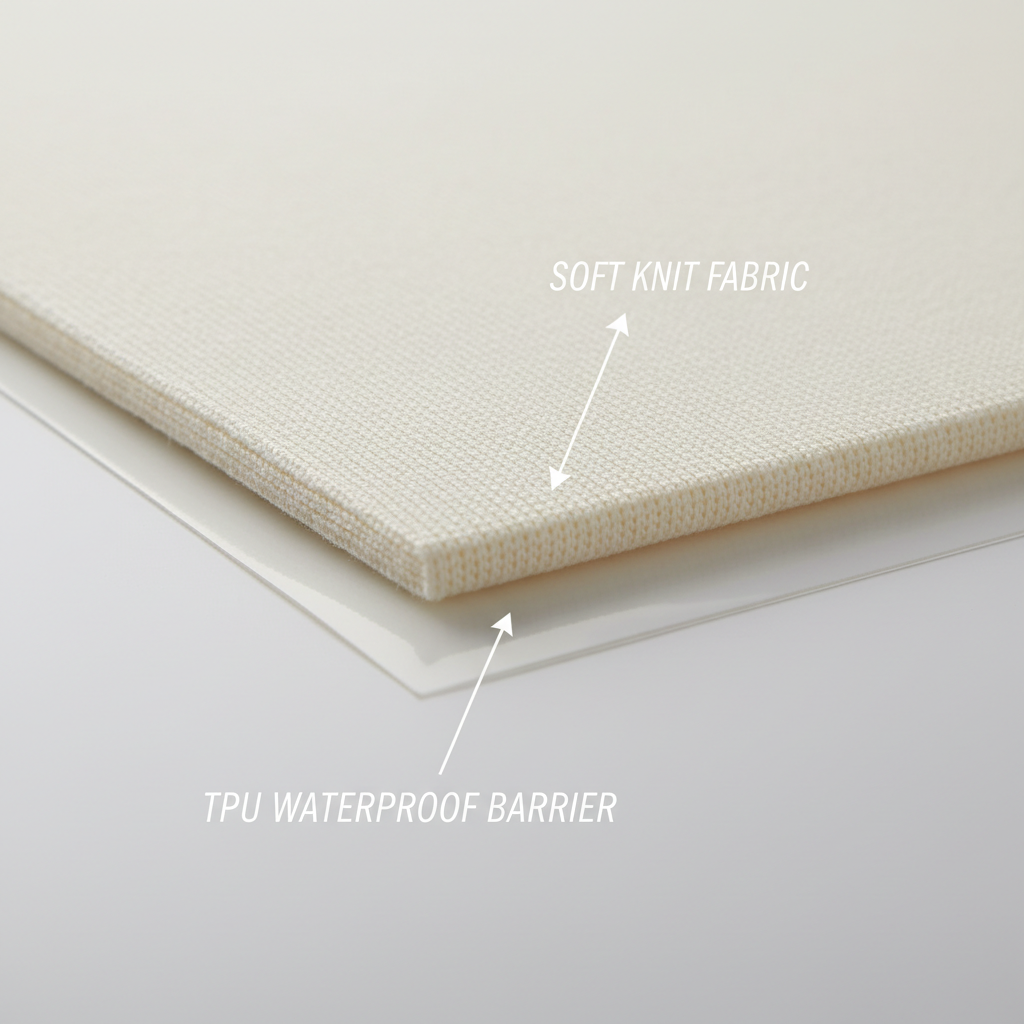
If you’re shopping for the best waterproof mattress protectors specifically for comfort, pay extra attention to top fabric and whether the brand mentions “quiet” or “noiseless” construction. It won’t guarantee silence, but it usually signals a thinner, more flexible barrier.
Self-check: which type of mattress protector do you actually need?
Before you buy, answer these quickly. It’s a small step, but it prevents buying a “great” protector that’s wrong for your bed.
- How often do accidents/spills happen? Rare spills may be fine with a top-only fitted protector; frequent accidents usually call for stronger waterproofing and a secure fit.
- Do you sleep hot? If yes, avoid thick quilted protectors unless you truly want extra padding.
- Do you need full-side protection? If you’re dealing with kids, pets, or incontinence, consider a deeper-pocket fitted style or even a zip encasement.
- Is your mattress thick? Many modern mattresses are 12–16 inches; check pocket depth and whether the elastic looks substantial.
- Are allergies a top concern? A zippered encasement can add a physical barrier against dust mites, but it can feel less “breezy.”
Best waterproof mattress protectors: features that usually matter most
You don’t need a dozen buzzwords. In real use, these are the deciding factors that separate a protector you keep from one you return.
1) Waterproof performance (top-only vs full encasement)
Top-only fitted protectors handle most everyday spills. If you need more comprehensive coverage, a waterproof encasement (zippered) protects top and sides, and can be helpful for allergy management too.
2) Breathability and heat
Waterproofing reduces airflow by nature, so breathability is about tradeoffs. Thin knits and lighter constructions usually sleep cooler than thick quilting. “Cooling” claims vary by brand, so focus on construction details you can verify.
3) Noise and feel
If you’re a light sleeper, “quiet” matters as much as “waterproof.” Look for flexible barrier language (often TPU) and soft top fabrics like jersey. If a protector arrives stiff out of the box, a wash can soften the fabric, but it won’t change a thick barrier film.
4) Fit that stays put
Deep pockets and strong elastic are underrated. A protector that rides up creates exposed zones near the corners, right where spills often travel.
5) Care and longevity
Many protectors fail early because of heat damage, not because the barrier was “bad.” If you want durability, choose one with clear care instructions and plan to dry on low unless the label says otherwise.
How to shop smarter: a simple step-by-step approach
If you want to buy once and move on, use this process. It’s boring, but it works.
- Step 1: Measure mattress height including any topper. Choose pocket depth with a little margin so it doesn’t pop off.
- Step 2: Decide your protection level: top-only fitted for typical use, encasement for side protection or allergy focus.
- Step 3: Pick a top fabric you’ll tolerate: jersey for softness and stretch, terry for absorbency, quilted for cushion.
- Step 4: Check return and warranty terms because comfort is personal, and “quiet” can be subjective.
- Step 5: Buy two if accidents are frequent so one is always clean while the other is in the wash.
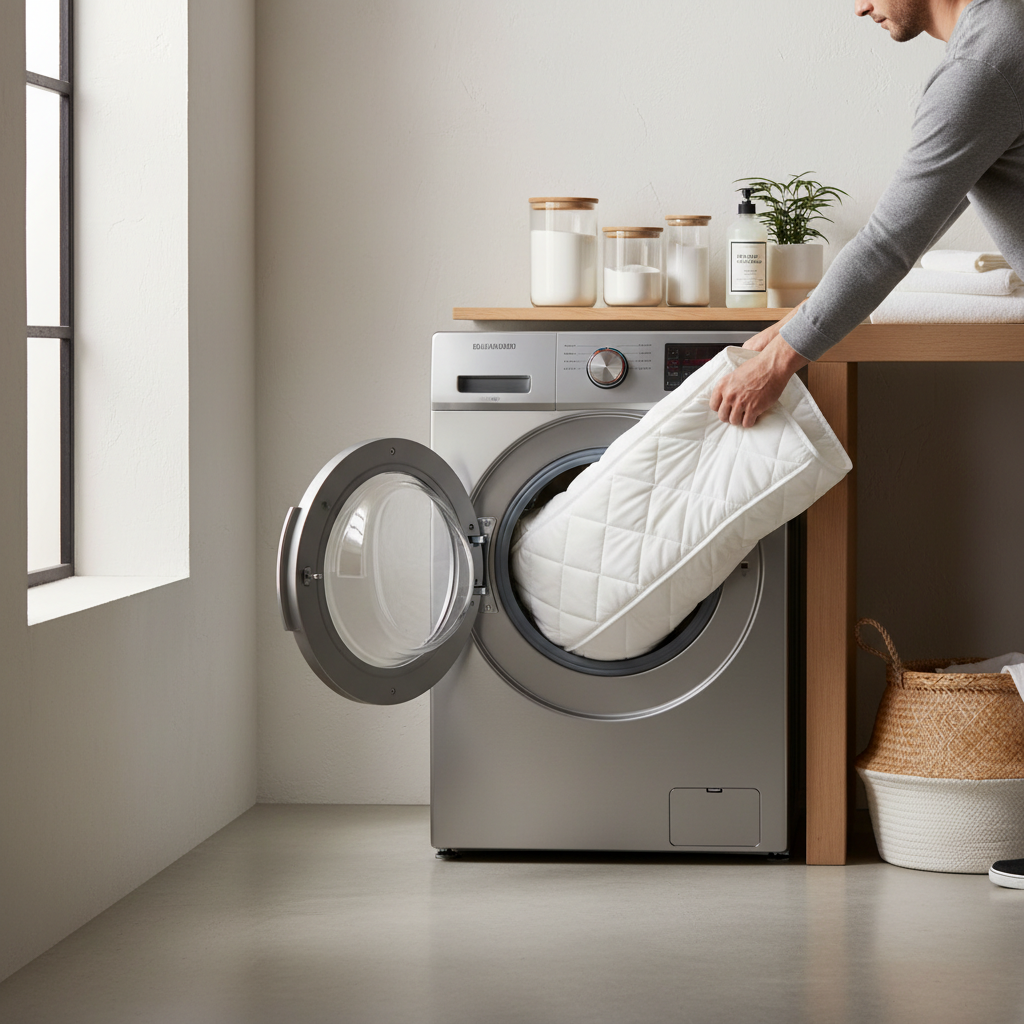
One more thing people skip: read the care label before the first wash. If you accidentally bake the barrier on high heat, even the best waterproof mattress protectors can start losing performance over time.
Common mistakes (and what to do instead)
- Mistake: Trusting “water-resistant” language. If the listing is vague, look for “waterproof barrier” and details like TPU, seam sealing, or lab-test notes. If none exist, assume it may not handle real accidents.
- Mistake: Buying a protector that’s too thick to be comfortable. Plush quilted models sound cozy, but many hot sleepers regret them after a week.
- Mistake: Ignoring sides and corners. Spills spread. If you’ve had edge leaks before, upgrade to better fit or an encasement.
- Mistake: Using high heat to “sanitize.” Heat can shorten barrier life; if you need sanitizing for health reasons, consider asking a clinician for guidance.
- Mistake: Skipping a fitted sheet over the protector. A sheet improves feel and reduces friction wear on the top fabric.
When it makes sense to get professional or medical input
If you’re buying a protector mainly due to incontinence, night sweats, or medical equipment in bed, it can help to ask a healthcare professional what materials and cleaning routines fit your situation. Some skin conditions may react to heat buildup or certain fabrics, and a clinician can advise based on your specific needs.
For severe allergies or asthma triggers, you may also want to ask an allergist about bedding strategies beyond a protector, since waterproofing alone is not a complete plan.
Conclusion: a good protector is the one you’ll actually keep on the bed
The “best” choice usually comes down to three things: reliable waterproofing, comfortable sleep feel, and a fit that doesn’t shift. Start by matching protection level to real-life mess risk, then prioritize breathability if you run warm.
If you’re deciding today, pick one fitted waterproof protector with a soft knit top, verify pocket depth, and follow low-heat care rules. It’s the most consistent route to keeping your mattress clean without making your bed feel like a rain jacket.
FAQ
What is the difference between a waterproof mattress protector and a mattress pad?
A protector focuses on blocking liquid with a barrier layer. A pad is often about cushioning and may only be water-resistant. Some products combine both, but you’ll want to confirm there’s a true waterproof barrier if spills are the main issue.
Do waterproof mattress protectors make you sleep hotter?
They can. Any barrier reduces airflow, so heat retention depends on thickness and top fabric. If you sleep warm, lean toward thinner knit styles and avoid heavy quilting unless you specifically want extra insulation.
Are zippered mattress encasements better than fitted protectors?
Encasements add side protection and can help with allergy containment, but some people find them less breathable. Fitted protectors feel more “normal” for everyday use, especially if accidents aren’t frequent.
How do I know if a protector is really waterproof before buying?
Look for clear construction details: a TPU barrier, seam language, and straightforward care instructions. If the listing only says “repels liquids” without describing the barrier, assume performance may be limited.
How often should you wash a waterproof mattress protector?
For typical use, many people wash every few weeks or when there’s a spill. If allergies, sweating, or pet sleeping are involved, a more frequent schedule can make sense. Always follow the label to avoid damaging the barrier.
Can I put a waterproof mattress protector in the dryer?
Often yes, but many brands recommend low heat. High heat may shorten the barrier’s life or cause delamination. When in doubt, low heat or air-dry is the safer bet.
Will a waterproof protector help with bed bugs or dust mites?
A fitted protector helps keep the mattress cleaner, but it doesn’t “seal” the mattress. For pest or dust-mite containment, a zippered encasement is usually more appropriate as part of a broader plan.
Do I need a waterproof protector for a memory foam mattress?
It’s often a good idea because foam is harder to clean once liquid gets in. Choose a stretchy, quiet protector so it doesn’t change the feel too much or bunch up during the night.
If you’re trying to narrow down the best waterproof mattress protectors for your exact setup, start with your mess risk and sleep temperature, then pick the simplest construction that meets those needs. That usually beats paying extra for features you won’t notice after the first week.