
Best wall shelves for small bathrooms usually come down to two things people forget to balance: how much “real” storage you gain, and how safely that storage mounts in a damp, high-traffic room. If your counter is crowded, your tub ledge has turned into a bottle graveyard, or your towels keep migrating to the back of the toilet, wall shelves can fix the flow fast.
Small bathrooms punish bad choices, a shelf that sticks out too far becomes a hip-bumper, a “cute” material can warp, and the wrong anchors pull out at the worst time. The upside is that you do not need a remodel, you need smarter vertical storage.
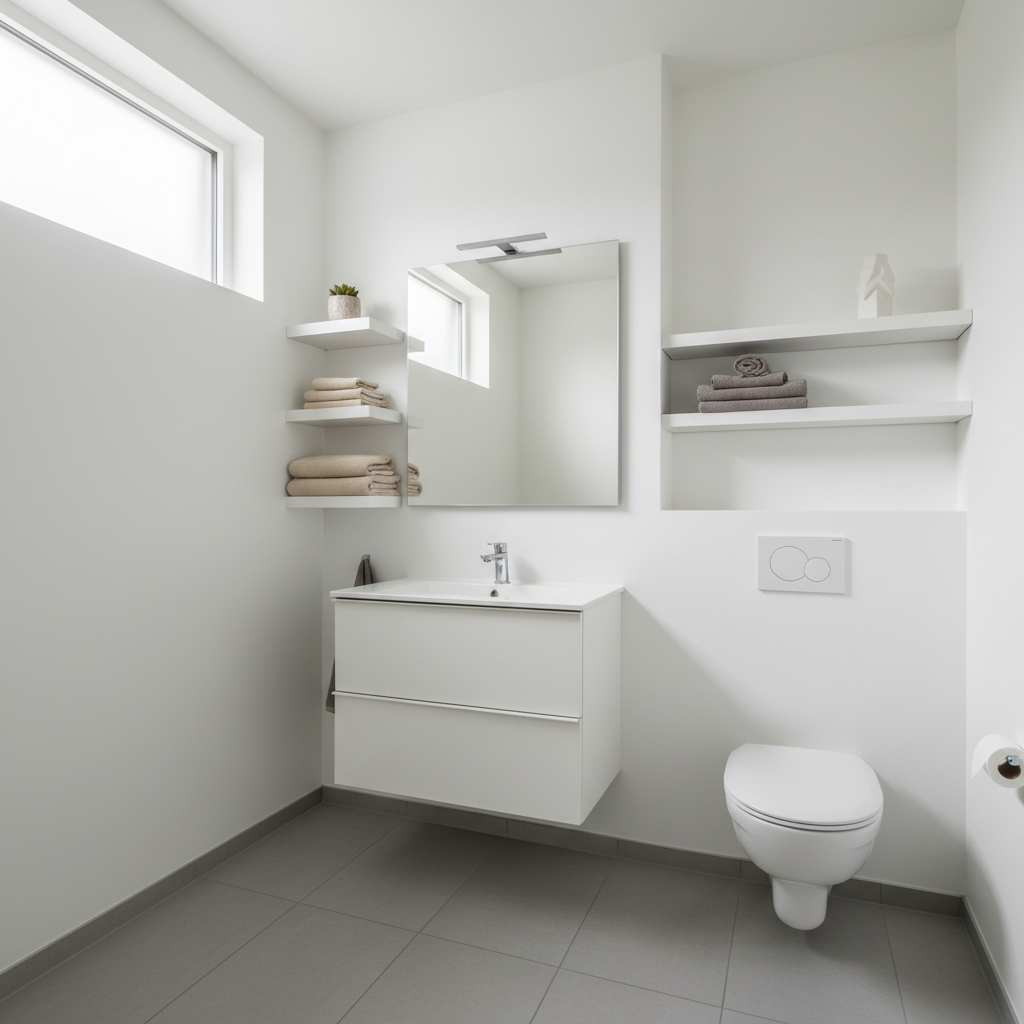
This guide focuses on shelf types that tend to work in tight U.S. bathrooms, what measurements matter, how to pick moisture-friendly materials, and when to avoid “no-drill” options even if they look tempting.
What makes a wall shelf “best” in a small bathroom
In a roomy space, almost any shelf feels fine. In a small bath, the best choices typically share a few traits: they stay slim, they handle humidity, and they match where you actually need storage, not where it looks nice in photos.
- Shallow depth: many people land around 4–6 inches deep for tight walkways, deeper shelves work above toilets or tubs where you will not brush past them.
- Moisture tolerance: sealed wood, stainless steel, aluminum, and quality powder-coated metal hold up better than untreated wood or low-grade MDF.
- Easy cleaning: smooth surfaces, fewer seams, and a finish that does not trap dust and hairspray.
- Secure mounting: good brackets or a strong rail system, plus anchors that match your wall type.
- Smart edges: a front lip or rail helps stop bottles from sliding, especially near showers.
According to OSHA, preventing slips and falls is a core safety priority in walking and working areas, and that mindset translates well at home: keep protrusions minimal and avoid placing heavy items where they can fall into a walkway.
Quick fit check: measure before you shop
Before you look at “best wall shelves for small bathrooms” lists, do a 3-minute measurement pass. This is the part most people skip, then wonder why the shelf feels awkward.
- Wall space width: measure the usable span between trim, mirrors, and lighting.
- Depth clearance: measure from the wall to the edge of the vanity, toilet tank, or door swing zone.
- Height reach: put a piece of painter’s tape where you think the bottom shelf should start, then pretend to grab items with wet hands.
- Stud locations: a quick stud finder pass tells you whether you can mount into studs or need anchors.
- Humidity zone: shelves inside the shower zone need different materials than shelves across the room.
Key takeaway: in most small bathrooms, the “best” shelf is the one that clears your body path first, then maximizes storage second.
Top shelf styles that work well in tight bathrooms
Not every shelf type deserves a spot in a small bath. These are the styles that tend to earn their keep, with notes on where they shine.
Floating shelves (minimal look, flexible sizing)
Floating shelves keep visual bulk low, which helps small rooms feel less crowded. They work well above a toilet, over a towel bar, or on the side wall near the vanity.
- Best for: spare toilet paper, folded hand towels, small baskets, décor that is easy to wipe.
- Watch out for: cheap hollow shelves with weak mounting plates, they can sag under toiletries.
Corner shelves (turn dead space into storage)
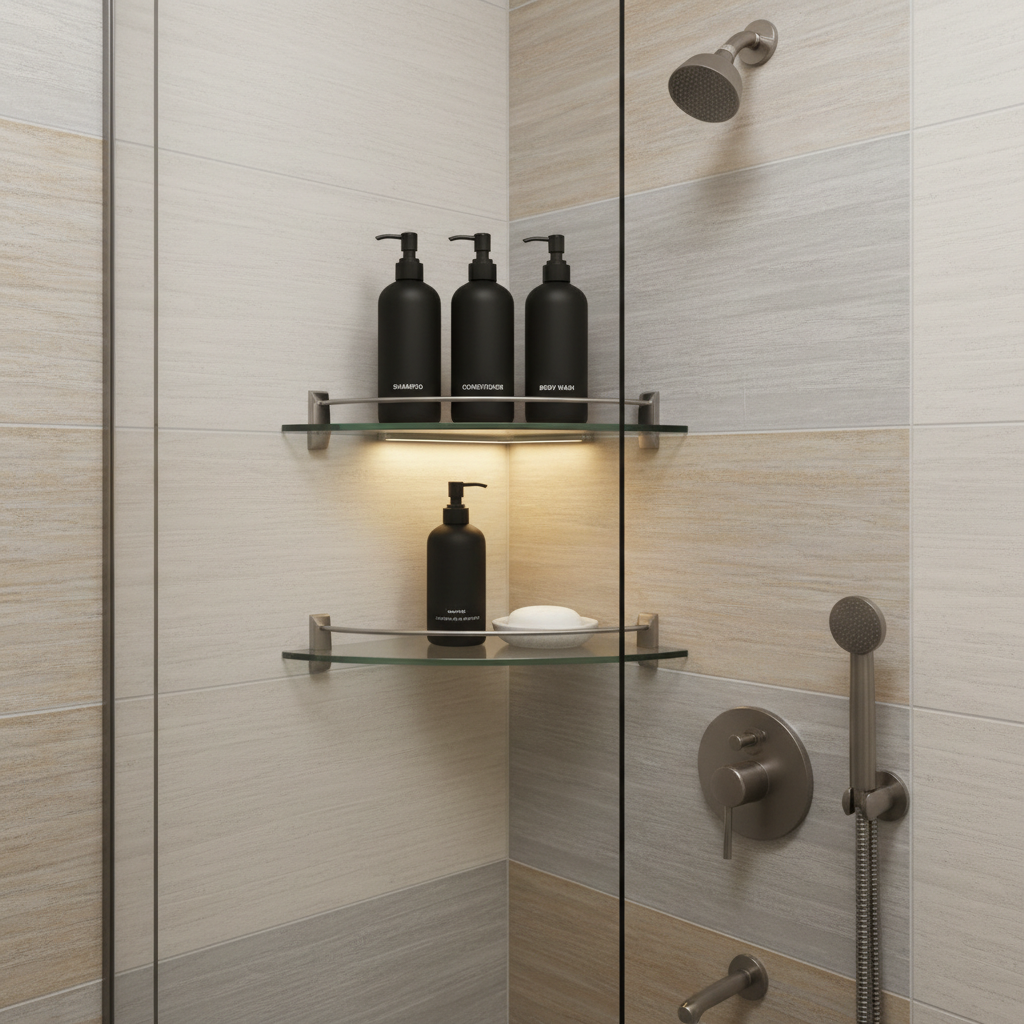
Corner shelving is the quiet MVP for many layouts, especially in showers or the corner above a toilet. It adds storage without stealing “flat wall” real estate.
- Best for: shower products, small plants, a candle, extra soap.
- Watch out for: placing them where your elbow swings when you towel off.
Ladder-style or rail-and-basket systems (vertical storage with guardrails)
If you are always dropping items or you want a “grab zone” for daily routines, a rail system with baskets can feel more forgiving than flat boards.
- Best for: hair tools, skincare, washcloths, backup supplies.
- Watch out for: overloading one side and loosening the top anchors over time.
Over-the-toilet wall shelves (big payoff in one spot)
This zone is often underused. Shelves above the toilet can store towels and bulk paper products without crowding the vanity area.
- Best for: towels, tissue, cleaning sprays in a closed bin.
- Watch out for: shelves mounted too low, you should still access the tank lid and not bonk your head when standing.
Material choices that survive steam and splashes
Humidity changes the game. A shelf that is fine in a bedroom can warp or peel in a bathroom, especially if ventilation is weak.
| Material | Why it works | Typical use spots | Common drawback |
|---|---|---|---|
| Stainless steel | High corrosion resistance, easy wipe-down | Shower-adjacent, above toilet | Shows water spots, can feel “cold” visually |
| Aluminum (anodized) | Lightweight, resists rust | Corner shelves, slim profiles | Can dent if bumped hard |
| Powder-coated metal | Durable finish, many colors | Vanity side wall, towel zones | Chips can expose metal underneath |
| Solid wood (sealed) | Warm look, sturdy | Outside direct splash zones | Needs proper sealing and upkeep |
| MDF/particle board (laminated) | Budget-friendly | Low-humidity bathrooms only | Swells if moisture reaches edges |
If your bathroom fan is weak or rarely used, lean toward metal or well-sealed surfaces. According to the U.S. EPA, controlling moisture and humidity helps prevent mold growth, so shelf material is only one side of the equation, ventilation habits matter too.
Choosing by location: vanity, toilet, shower, and door walls
People often buy shelves first, then hunt for a wall. Flip that: pick the wall’s job, then pick the shelf.
Near the vanity (daily-use zone)
- Go slimmer: 4–5 inches deep often feels plenty.
- Add a lip or tray edge if you store pump bottles.
- Keep frequently used items at chest to eye level, backups can go higher.
Above the toilet (bulk storage zone)
- Use deeper shelves if needed, because body clearance is less of a problem.
- Group items in bins, it looks calmer and wipes faster.
- Keep heavy items lower than eye level when possible.
In or next to the shower (wet zone)
- Prioritize rust-resistant materials and drainage-friendly designs.
- Avoid untreated wood and low-grade plated metals that can peel.
- Consider corner shelves to reduce bumps.
Behind the door (often ignored, sometimes perfect)
- Only works if the door swing clears the shelf depth.
- Good for narrow picture ledges, spare rolls, or small baskets.
Installation choices: screw-in vs adhesive (and when each makes sense)
For many people, the “best wall shelves for small bathrooms” question turns into “can I avoid drilling.” Sometimes yes, but the safe answer depends on what you store and what wall surface you have.
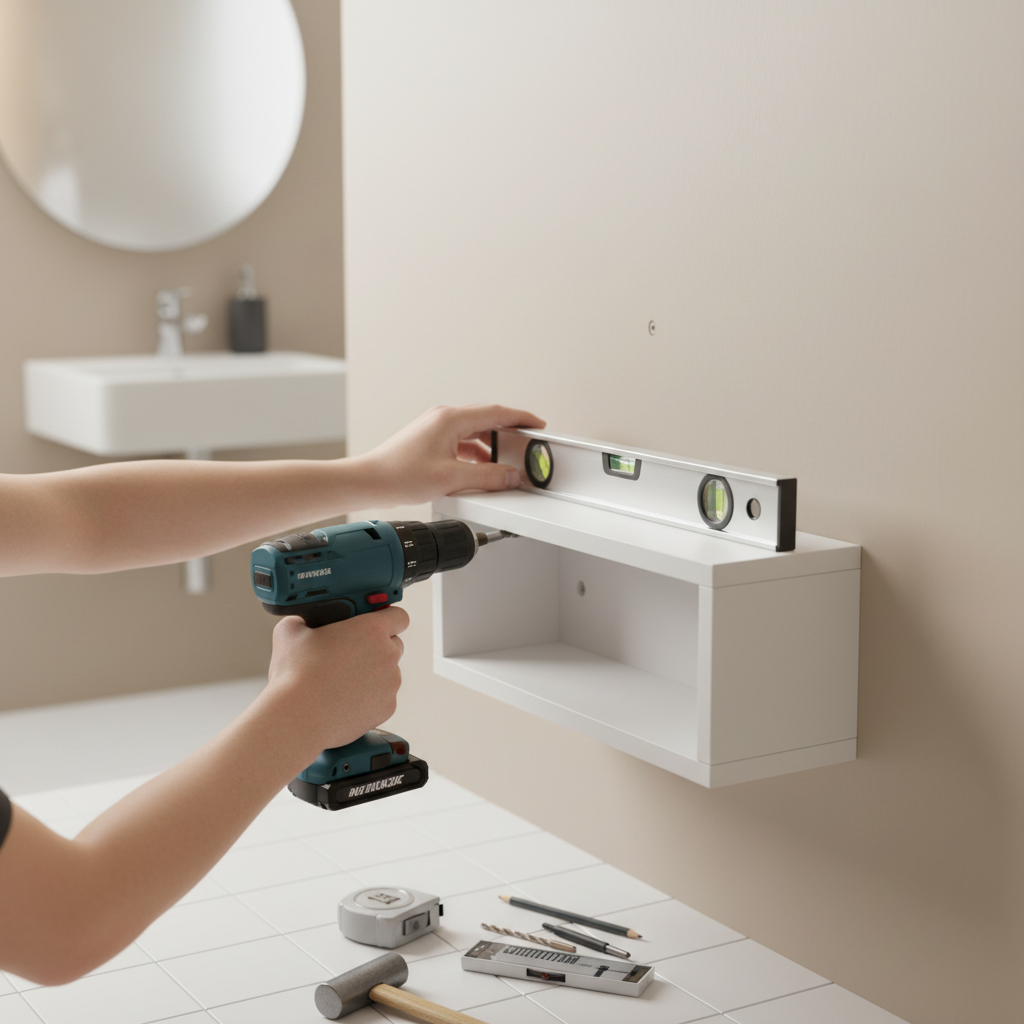
Screw-in mounting (most reliable for real storage)
- Best when: you store heavier items, you have kids who tug, you want peace of mind.
- Tips: mount into studs when possible, otherwise use quality anchors rated for your wall type.
Adhesive mounting (good for light items, specific surfaces)
- Best when: you need a small shelf for lightweight items and your surface is smooth tile or glass.
- Reality check: humidity, textured tile, and uneven grout lines can shorten adhesive lifespan.
According to CPSC, falls are a leading cause of injury in the home, so if an adhesive shelf could drop a heavy bottle onto a wet floor, it is usually smarter to drill or choose a different placement. If you rent and cannot drill, keep adhesive shelves for very light loads and away from traffic paths.
Practical setup plan: make shelves look intentional (not cluttered)
Even the right shelf can look messy in a week. What helps is treating shelves like “zones” with limits.
- Use two container types: one small bin for backups, one tray for daily items, then stop there.
- Keep labels subtle: a tiny label on the inside edge beats a big pantry label vibe.
- Match bottle heights: decant if you care about aesthetics, otherwise group tall bottles together so the shelf reads cleaner.
- Leave 20% empty: sounds wasteful, but it makes restocking easy and avoids the crowded look.
If you share the bathroom, assign shelves by person or routine. That single decision cuts a lot of morning friction.
Common mistakes to avoid (they cost space fast)
- Buying too deep: a shelf that feels “more storage” can make the room feel smaller and more annoying to use.
- Ignoring wall type: drywall, plaster, and tile each need different anchors and drilling methods, when unsure, ask a handyman.
- Placing shelves over towel chaos: if towels drip onto products, you will hate the setup.
- Storing heavy glass high: looks nice until it slips, keep heavy items low and stable.
- Over-decorating: in a small bath, décor should earn space, otherwise it becomes dusting duty.
Conclusion: how to pick the right shelves quickly
The best choices are the shelves that respect clearance, handle moisture, and mount securely for what you store. If you want a simple decision path, pick a slim floating shelf for vanity overflow, add one corner shelf where space feels wasted, and use above-toilet shelves for bulky backups.
Action step: measure depth clearance today, then choose one “daily-use” shelf location and one “bulk” location, you will feel the difference without turning the bathroom into a project.
FAQ
- What depth shelf is best for a small bathroom?
Many small bathrooms feel comfortable with 4–6 inch depth near walkways, while above-toilet shelves can go deeper since you do not pass as closely. - Are floating shelves strong enough for toiletries?
They can be, but it depends on the mounting hardware and whether you hit studs or use proper anchors. For heavier bottles, avoid flimsy hollow-core shelves. - Do adhesive bathroom shelves really hold up in humidity?
Sometimes, especially on smooth tile or glass with light loads, but steam and uneven grout can reduce grip over time. Keep expectations modest and loads light. - Where should I put shelves in a tiny bathroom with no wall space?
Try corners, the wall above the toilet, and narrow ledges behind the door if the swing clears. Those spots often exist even when the vanity wall is crowded. - What material is best for shower-area shelves?
Stainless steel or anodized aluminum are common picks for wet zones. Sealed wood can work outside direct spray, but it is less forgiving. - How high should shelves be above a toilet?
High enough to avoid head bumps and still allow access to the tank area, many setups start the lowest shelf roughly a foot or more above the tank lid, but check your height and reach. - How do I make bathroom shelves look less cluttered?
Use bins or trays to group items, limit the number of categories per shelf, and leave a little open space so it reads intentional instead of stuffed.
If you are trying to choose between a few options and want a quicker path, start by listing what must live on the wall versus what can stay under the sink, then match each shelf to a single job, daily grab zone, bulk backup, or shower essentials, and the layout usually falls into place.