
Best slim shoe cabinet for entryway narrow space shopping is usually less about “style” and more about avoiding daily friction, shoes tipping over, a door that can’t fully open, and that narrow walkway everyone trips through.
The good news, you don’t need a huge mudroom to get control back. The right cabinet can hide visual clutter, protect shoes from dust, and still keep your entry usable, even in apartments and older homes with tight hallways.
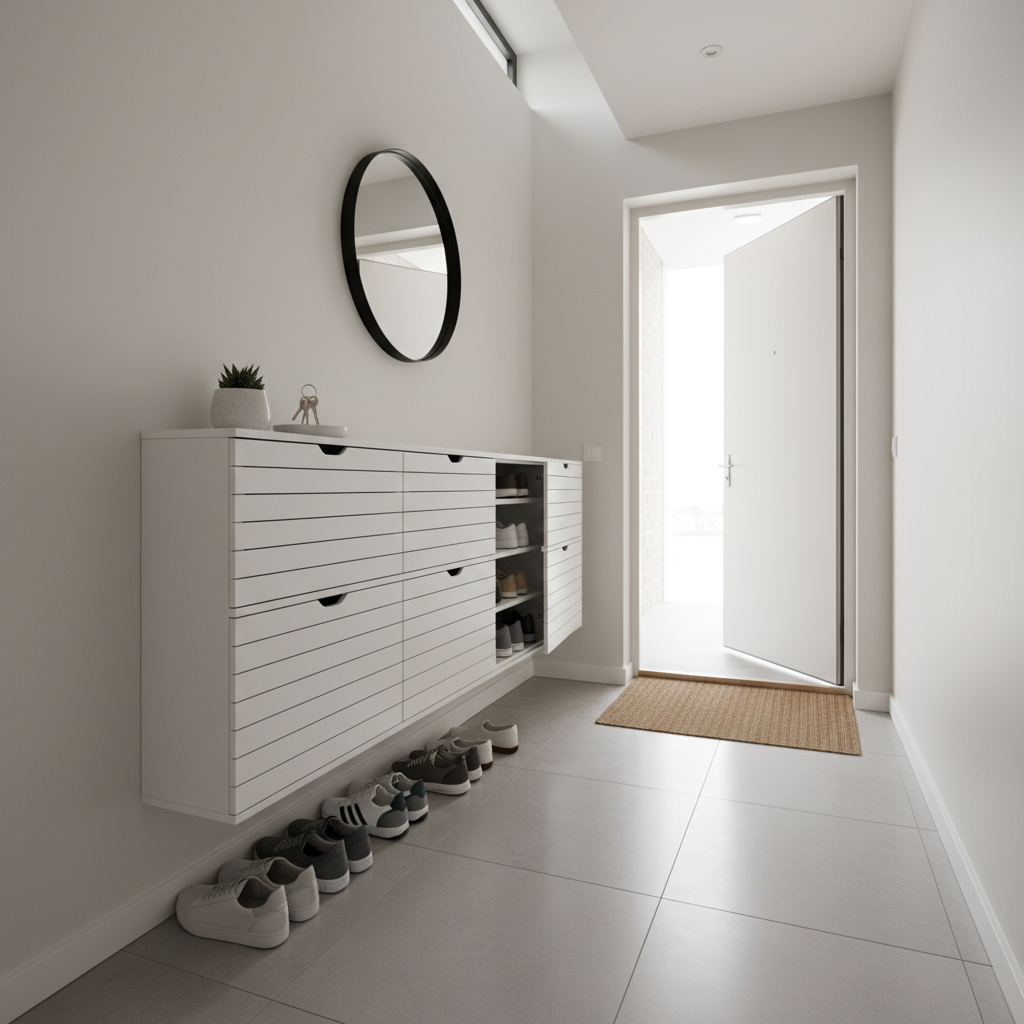
This guide focuses on what actually matters in narrow spaces: depth, door swing, how many pairs you can realistically store, and which designs stay stable when people rush in and out. I’ll also share a quick measurement checklist and setup tips that prevent the “I bought it, now it blocks everything” regret.
What “slim” really means in an entryway (and why depth beats height)
In tight entries, depth is the make-or-break spec. A cabinet can look compact online, but if it sticks out too far, it turns your entry into a bottleneck.
- Typical slim depth: around 7–10 inches for tilt-out designs, and often 10–14 inches for standard doors or drawers.
- Walkway reality check: many hallways feel cramped below roughly 36 inches of clear path, especially with pets, kids, or groceries.
- Height helps capacity, but tall and narrow pieces can feel top-heavy if not anchored.
According to UL Solutions, tip-over prevention matters most with tall, freestanding furniture, and wall anchoring is a common safety recommendation for stability in real homes. If you have kids or energetic pets, treat anchoring as part of the purchase, not a bonus.
Why narrow entryways get messy so fast (common real-life causes)
People blame “not enough storage,” but narrow entries usually fail for a few more specific reasons.
- No landing zone: without a top surface, shoes and keys end up on the floor.
- Wrong access style: a cabinet door swings into the walkway, so nobody uses it, shoes pile up again.
- Capacity mismatch: a family of four needs a different solution than a single-person apartment.
- Heel and boot problems: many slim cabinets handle sneakers well but struggle with ankle boots or bulky pairs.
Once you name the real constraint, picking the best slim shoe cabinet for entryway narrow space becomes more straightforward, you’re not just guessing based on photos.
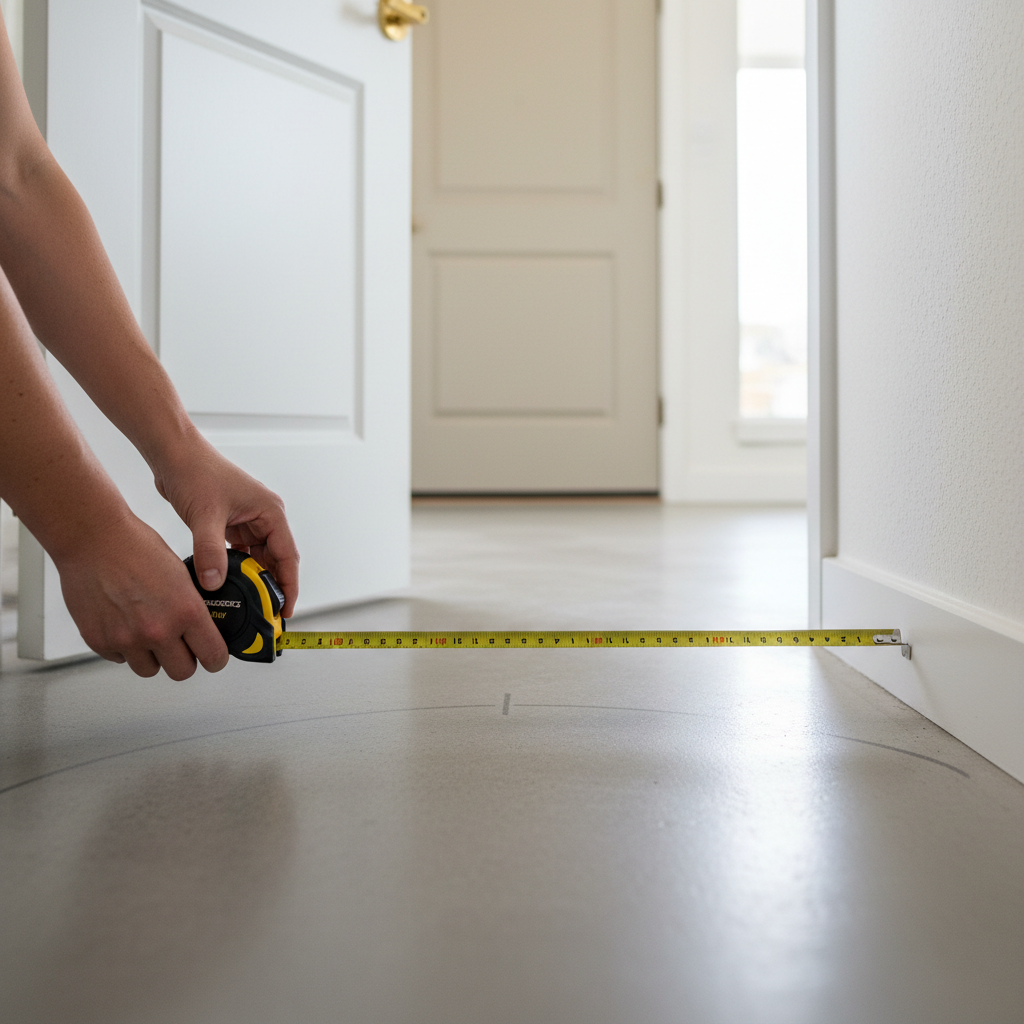
A quick self-check before you buy (2 minutes, saves returns)
Do this before comparing finishes and handles, it prevents the classic “fits the wall, fails the room” scenario.
Measure these three things
- Max cabinet depth: measure from wall to the point you still want clear walking space.
- Door swing and pinch points: open your front door fully, note where a cabinet would collide or feel tight.
- Baseboards and outlets: baseboards can push furniture forward; outlets may get blocked if the cabinet sits flush.
Answer these “use” questions
- How many pairs should be stored daily, not seasonally?
- Do you need quick grab-and-go access (morning rush) or hidden storage (visual calm)?
- Any tall boots, men’s size 12+, or bulky sneakers that need deeper compartments?
If your allowable depth is under about 10 inches, tilt-out designs become the most realistic path for many homes.
Types of slim shoe cabinets that work in narrow spaces
There’s no single “winner,” the best option depends on how your entry is used. Here are the common types that show up in narrow hallways.
Tilt-out shoe cabinets (the narrow-space favorite)
- Why people like them: shallow depth, clean look, shoes hidden fast.
- Trade-off: some pairs don’t fit well (chunky shoes, tall boots), and capacity claims vary by shoe size.
- Best for: apartments, tight foyers, minimalist entries.
Slim cabinets with standard doors
- Why they work: more flexible shelving, better for taller shoes if the depth allows it.
- Trade-off: door swing can steal walkway space.
- Best for: entries where the cabinet sits on a side wall that doesn’t conflict with traffic.
Open shoe racks with a slim profile
- Why people keep them: cheapest, easiest to access, less “fit” risk.
- Trade-off: visual clutter and dust, and shoes look messy quickly.
- Best for: casual households, secondary entry, or renters who don’t want wall anchors.
Comparison table: what to prioritize when space is tight
This is the short list I’d use to compare options across brands without getting lost in marketing names.
| Feature | Why it matters in narrow entries | Good target |
|---|---|---|
| Depth | Controls walking clearance and door conflicts | 7–10 in if truly tight; under 12 in if possible |
| Access style | Determines whether people actually use it daily | Tilt-out or sliding/limited-swing where needed |
| Capacity (realistic) | Marketing counts often assume small shoes and perfect stacking | Plan for 60–80% of claimed pairs |
| Ventilation | Reduces odor and moisture buildup | Back vents, gaps, or breathable design |
| Stability | Tall + slim can tip if not anchored | Wall anchor option, solid back panel |
| Top surface usability | Creates a “landing zone” for keys, mail, small tray | At least 8–10 in top depth if possible |
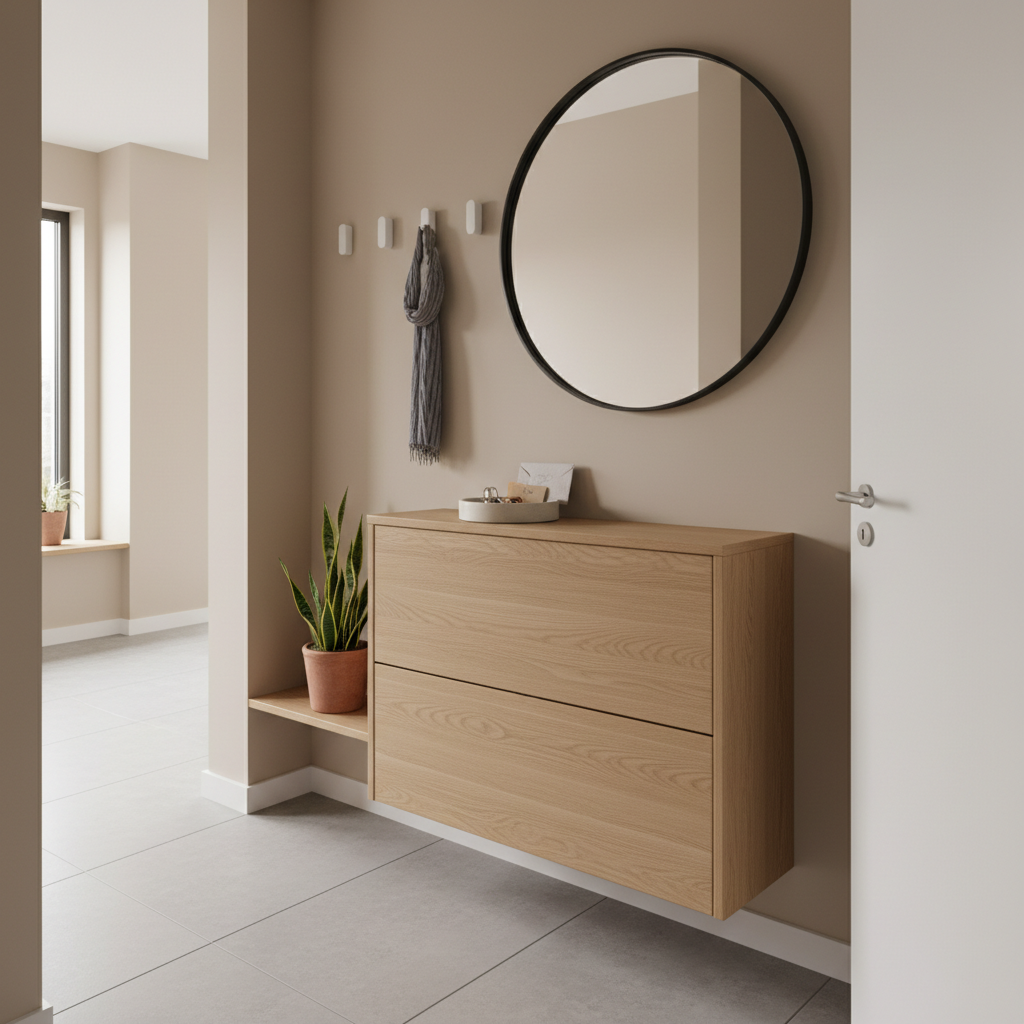
How to choose the best slim shoe cabinet for your specific entryway
Here’s the decision path that usually works in real homes, without over-optimizing.
If your hallway feels “one-person wide”
- Prioritize depth under ~10 inches.
- Lean toward tilt-out, or a very shallow open rack with baskets.
- Avoid doors that swing outward into the path.
If your issue is visual clutter, not walkway space
- Choose a closed cabinet, even if slightly deeper.
- Pick finishes that match trim or wall tone, it “disappears” more.
- Consider a cabinet with a top surface you’ll actually use daily.
If you have big shoes, boots, or sports gear
- Look for adjustable shelves, or fewer compartments with taller clearance.
- Expect lower pair count, and plan a separate spot for boots.
- Don’t force-fit, it leads to broken hinges and constant frustration.
If you rent and can’t drill easily
- Favor shorter, wider units with a lower center of gravity.
- Use non-permanent anti-tip solutions only if they’re allowed by your lease, when unsure, ask your property manager.
Practical setup tips that make slim cabinets work better
Even the best slim shoe cabinet for entryway narrow space can feel annoying if setup misses a few basics.
- Sort by “most worn”: keep daily pairs at hand level, not the bottom corner you never reach.
- Add a small tray up top: keys and mail need a home, or they’ll migrate to the floor.
- Use odor control carefully: charcoal bags or mild deodorizers often work, but avoid heavy fragrance if anyone is sensitive.
- Leave breathing room: storing wet shoes in a closed cabinet can create odor, let them dry first when possible.
- Protect your wall: felt pads behind contact points reduce scuffs, especially on rental paint.
According to the U.S. Consumer Product Safety Commission (CPSC), anchoring furniture can help reduce tip-over risk, especially for taller pieces. If your cabinet is narrow and high, anchoring becomes a smart default, not a “maybe.”
Common mistakes (and what to do instead)
- Buying based on “pair count” alone: use your shoe sizes and bulky pairs as the real test, capacity varies by style.
- Ignoring the door swing: if the cabinet blocks the entry door even slightly, it becomes a daily irritant fast.
- Overstuffing: jammed compartments damage hardware and make the cabinet feel cheap, even when it isn’t.
- Skipping stability planning: tall slim storage looks great until it wobbles, check anchor options early.
When it’s worth getting professional help
If you’re dealing with a very tight corridor, uneven floors, or you need to mount a unit securely into tricky wall types, a handyman can save time and prevent damage. If you suspect electrical outlets, baseboard heaters, or other building systems might be affected by placement, it’s safer to consult a qualified professional rather than improvising.
Key takeaways + my simple recommendation
If your space is truly narrow, prioritize shallow depth and easy daily access over maximum capacity claims. Most households do best with a slim tilt-out cabinet for everyday pairs, plus a small secondary spot for boots or gym shoes.
Your next step can be simple: measure allowable depth, check door swing, then choose the access style that people in your home will actually use. That combination usually beats chasing the “perfect” cabinet on paper.
FAQ
What depth is considered slim for a shoe cabinet in a narrow entryway?
Many slim options land around 7–10 inches deep, especially tilt-out designs. If you can stay under about 12 inches and still fit your shoes, your walkway typically feels much better.
Are tilt-out shoe cabinets better than regular door cabinets for tight spaces?
Often yes, because the footprint stays shallow and the opening motion tends to be more hallway-friendly. The catch is fit, some bulky shoes and boots don’t sit nicely in tilt compartments.
How many pairs can a slim shoe cabinet actually hold?
Real capacity depends on shoe size and style. In many cases, planning for roughly 60–80% of the stated capacity keeps expectations realistic, especially with men’s sizes and sneakers.
Will a slim shoe cabinet block my front door?
It can, which is why door swing checks matter. Measure with the door fully open and consider where people naturally pass through, a cabinet that “barely fits” can still feel in the way.
Do shoe cabinets need ventilation to prevent odor?
Ventilation helps, particularly if shoes go in slightly damp. Let wet pairs dry first when possible, and consider mild odor control like charcoal bags rather than heavy fragrance.
Should I anchor a slim shoe cabinet to the wall?
If the unit is tall, narrow, or in a high-traffic area, anchoring is usually a good idea. Follow the manufacturer’s instructions, and if your wall type is tricky, a handyman can help.
What if my baseboards keep the cabinet from sitting flush?
That’s common. Look for cabinets with a baseboard notch, or plan to leave a small gap and secure stability appropriately, forcing it flush often creates wobble.
If you’re trying to pick the best slim shoe cabinet for entryway narrow space and you want a quick second set of eyes, share your hallway width, allowed depth, and how many daily pairs you need, then it’s much easier to narrow down to the right style without overbuying.