
Best storage ottomans for living rooms are usually the quickest way to make a space feel calmer without giving up seating, style, or walking room. If your coffee table is always covered in remotes, throws, kids’ toys, or board games, an ottoman that opens up can do more than you’d expect.
The part people underestimate is fit, not looks, a storage ottoman that’s too tall feels awkward for feet-up comfort, too small becomes a “junk box,” and the wrong lid style turns daily use into a mild annoyance. This guide breaks down what matters in real living rooms, then gives you a short list of the most reliable types to shop for.
One more thing before recommendations, “best” depends on how you use the room. A small apartment living room wants something different than a large family room with movie nights. I’ll call out those differences so you can pick with confidence instead of scrolling through endless similar listings.
What makes a storage ottoman actually work in a living room
Most living-room ottomans end up doing three jobs: a footrest, occasional seating, and a landing zone for a tray. Storage is the bonus, but it changes the design details that matter day to day.
- Height and comfort: Many people like an ottoman close to sofa seat height, but slightly lower often feels more relaxed for feet-up use.
- How the lid opens: Lift-off lids look clean, but they can be annoying with one hand. Hinged lids or flip-top designs are easier for daily access.
- Interior layout: A single big cavity is flexible, while divided compartments keep remotes and chargers from becoming a tangle.
- Stability: If you plan to use a tray for drinks, you want a firm top, or at least a design that doesn’t “pillowy wobble.”
- Floor protection: Feet style matters, wood feet can slide on some rugs, metal can scuff floors without pads.
According to the American Home Furnishings Alliance (AHFA), furniture safety and durability come down to materials, construction, and intended use, which is a helpful reminder here: if your ottoman doubles as seating, don’t shop like it’s only decor.
Quick self-check: which type fits your space?
If you only answer a few questions, answer these. They’ll narrow “best storage ottomans for living rooms” to the right subset for your layout.
- Do you need a coffee table substitute? If yes, prioritize a firm top, larger surface area, and a stable base.
- Do you open it every day? If yes, a hinged or flip-top lid usually feels less fussy than a lift-off top.
- Is your room tight on walkways? If yes, consider round shapes or smaller footprints, sharp corners in narrow rooms get old fast.
- Do you have kids or pets? If yes, performance fabric or leather-look materials can be more forgiving, and soft-close hinges can reduce pinched fingers.
- Do you need hidden charging or tech storage? If yes, look for interior organization, and plan where the cord routes without becoming a trip hazard.
If you’re unsure, default to “daily use” decisions: lid convenience, easy-clean upholstery, and size that doesn’t force you to sidestep around it. Those wins show up every single day.
Top styles: the best storage ottomans for living rooms (by scenario)
Rather than naming a single “winner,” this is the practical shortlist most shoppers end up happiest with, because each style solves a different living-room problem.
1) Large square storage ottoman (coffee-table replacement)
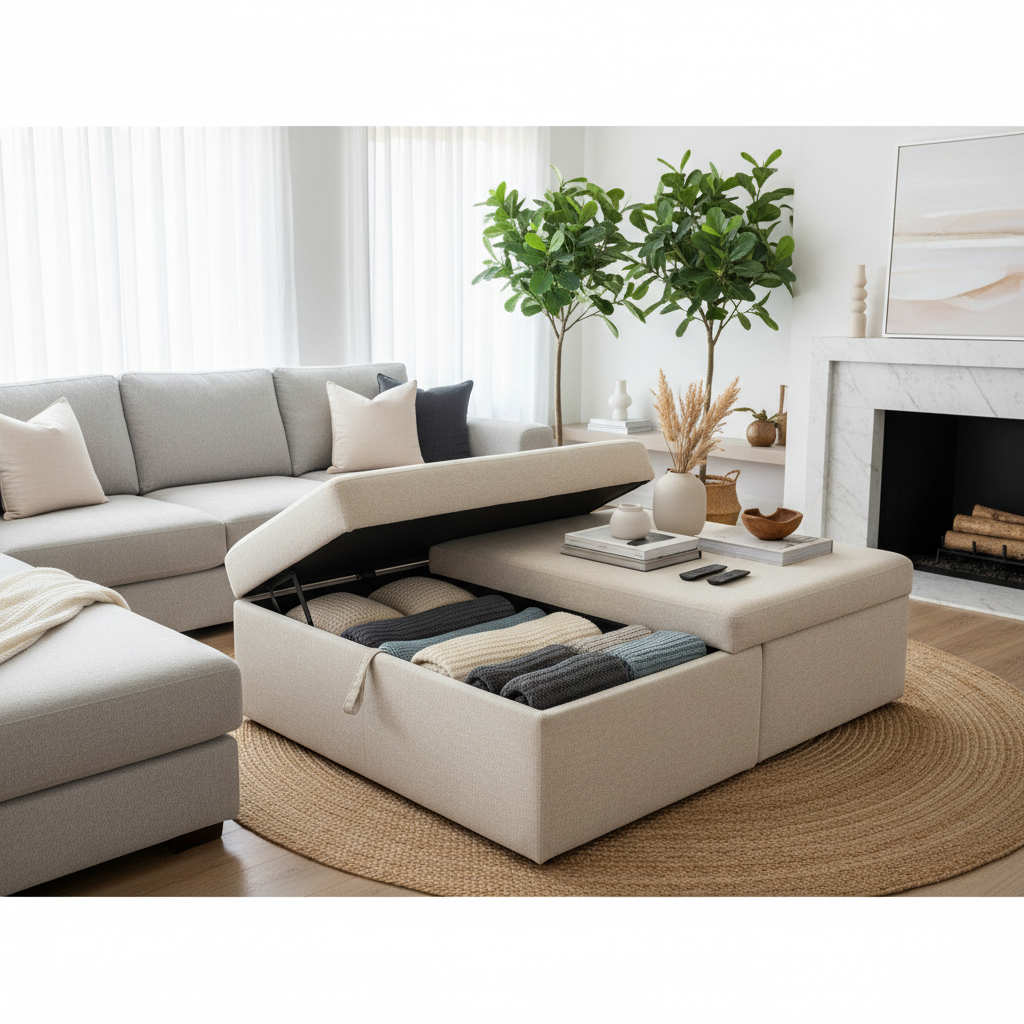
This is the most common choice for family rooms. You get surface area, plenty of hidden storage, and a shape that works with sectionals.
- Best for: movie nights, blankets, board games, big sofas
- Look for: firm top, corner protection, sturdy legs or a solid base
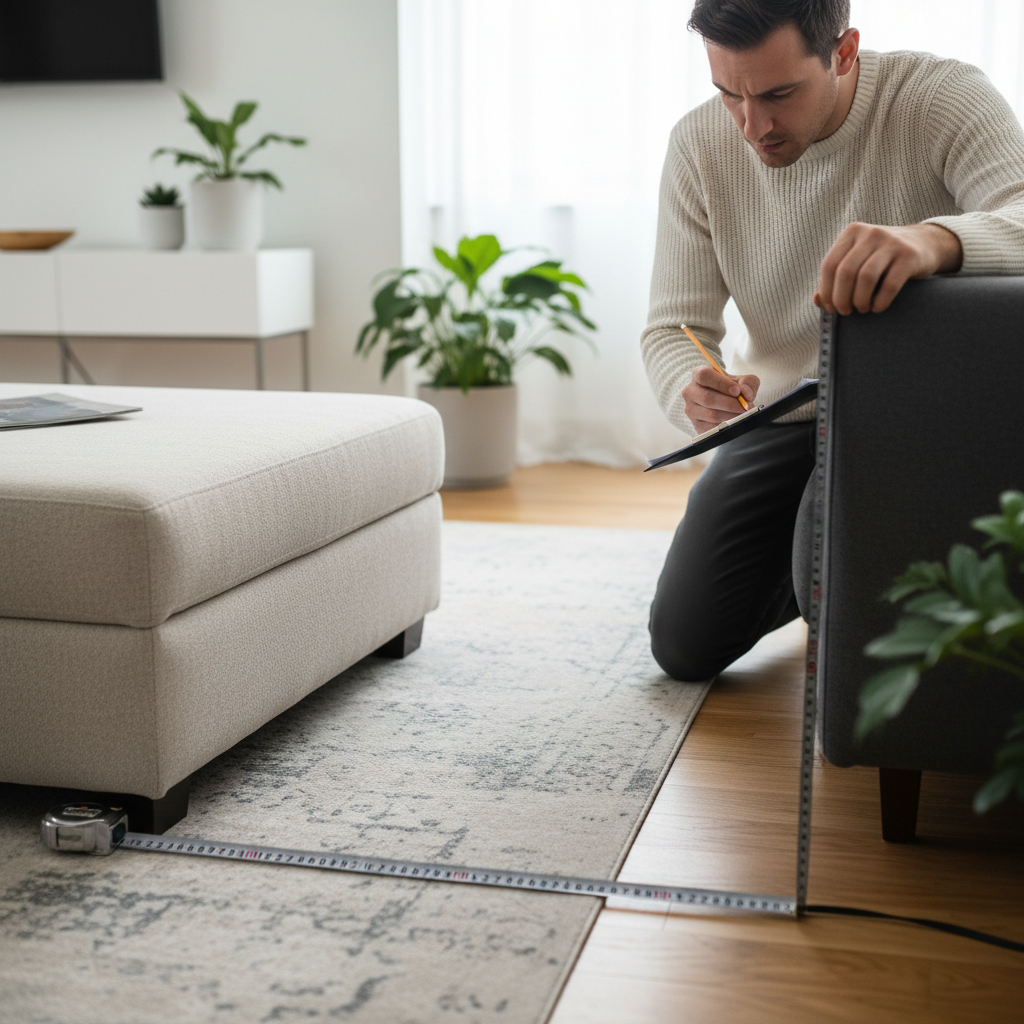
- Watch out: too large can block circulation, measure walk paths, not just the empty rug space
2) Rectangular storage ottoman (narrow rooms and benches)
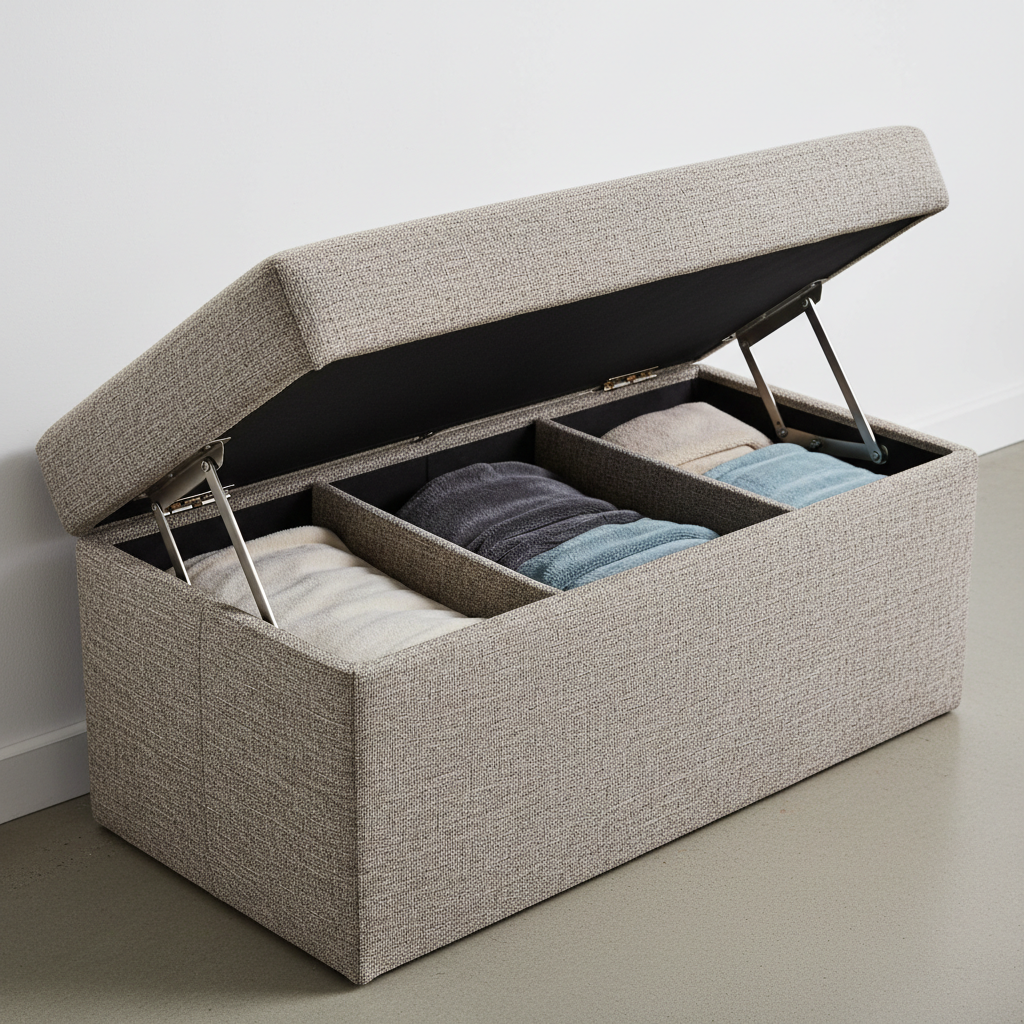
If your living room is long and narrow, a rectangle often fits better than a square, and it can read like a bench in front of a sofa.
- Best for: apartments, long sofas, flexible seating
- Look for: hinged lid, interior divider, tapered feet to keep it visually lighter
3) Round storage ottoman (small spaces and kid-friendly flow)
Round ottomans soften a room and reduce corner bumps, which is a real quality-of-life upgrade in busy households.
- Best for: small living rooms, homes with kids, conversational layouts
- Look for: sturdy rim structure so it doesn’t slump, non-slip feet
4) Tufted lift-top ottoman (classic look, occasional storage)
Tufting can look more “finished,” but lift-top designs vary a lot in daily convenience. If you won’t open it often, it’s usually fine.
- Best for: decor-forward rooms, storing items you don’t need daily
- Look for: lid that aligns easily, quality stitching, supportive padding
5) Flip-top or double-sided lid ottoman (organized households)
These are underrated. You can store two categories of stuff and open just one side without clearing the whole top.
- Best for: chargers/remotes on one side, blankets on the other
- Look for: strong hinges, safety stops, easy-grab handles
Buying guide: size, materials, and features that matter
Here’s where shoppers often get tripped up: they buy based on “pretty,” then realize the ottoman doesn’t behave the way they expected in their routine.
Size and placement rules of thumb
- Distance to sofa: Leave enough space to walk through comfortably, but close enough that it still feels like part of the seating area.
- Top surface: If you’ll use it with a tray, the usable flat area matters more than overall width.
- Storage capacity: Deeper is not always better, deep bins become “dig pits” unless you use baskets inside.
Upholstery and durability
- Performance fabric: Many brands use stain-resistant weaves that handle everyday spills better, great for active living rooms.
- Leather and faux leather: Wipes clean fast, but can show scratches, especially with pets.
- Velvet: Looks rich, but tends to show pressure marks and pet hair more easily.
According to the American Cleaning Institute, cleaning outcomes depend on fiber type and the product label, which is why it’s worth checking care tags and avoiding harsh cleaners unless the manufacturer recommends them.
Construction details worth paying for
- Hinges with soft-close: Helpful for kids and safer on fingers in many situations.
- Reinforced corners and frame: Important if adults will sit on it regularly.
- Ventilation and odor control: A fully sealed bin can trap smells if you store shoes or damp items, keep those out.
Comparison table: match the ottoman style to your needs
If you want a fast decision, this matrix gets you close, then you can fine-tune color and fabric.
| Ottoman type | Best use | Main advantage | Potential downside |
|---|---|---|---|
| Large square | Coffee table replacement | Big surface + big storage | Can crowd tight rooms |
| Rectangular | Narrow layouts | Easy to fit in walkways | Less “centerpiece” presence |
| Round | Small spaces, kid-friendly | No sharp corners, better flow | Tray use can be trickier |
| Tufted lift-top | Style-first rooms | Classic look | Lift-off lids can annoy daily |
| Flip-top / split lid | Daily organization | Quick access + sorting | More moving parts to check |
Practical setup tips (so it stays useful after week two)
A storage ottoman becomes clutter again when the inside has no system. The fix is simple, and it doesn’t need fancy organizers.
- Create zones: one soft zone for throws, one small-bin zone for remotes, chargers, and batteries.
- Add a tray: if you use it like a coffee table, a tray keeps drinks stable and makes “resetting the room” faster.
- Keep a 60-second reset rule: if putting things away takes longer than a minute, you’ll stop doing it.
- Mind the lid weight: if kids use it, lighter lids or soft-close hinges often reduce day-to-day friction.
If your living room doubles as a workout space or play area, consider an ottoman that’s easy to slide. But if you have slippery floors, add felt pads, and if the piece wobbles, stop using it as a seat until it’s stable.
Mistakes people make when shopping (and how to avoid them)
- Buying too tall: it looks fine online, then your knees feel wrong every night, compare height to your sofa seat.
- Assuming “sits on it” durability: some decorative ottomans are not built for adult seating, check weight guidance if provided.
- Ignoring how it opens: the best storage ottomans for living rooms are the ones you’ll actually open, hinge quality matters more than people think.
- Overstuffing: forcing the lid closed strains hinges and seams, store bulky items thoughtfully.
- Forgetting delivery realities: large ottomans can be awkward in tight stairwells, measure doorways and turns.
Conclusion: picking the “best” one for your room
The right storage ottoman is the one that matches your daily habits, not just your Pinterest board. If you want it to replace a coffee table, go large and stable, if you want easy organization, choose a hinged or split-lid design, and if your space feels tight, round shapes often make the room easier to live in.
If you take only two actions, measure your sofa height and walking paths, then decide whether you’ll open the ottoman daily or only sometimes. That simple split makes most “best storage ottomans for living rooms” choices feel obvious.