
Best heated towel racks for bathroom comfort usually come down to three things you actually feel day to day: towels that dry fast, a bathroom that stays less damp, and a setup that doesn’t become a wiring or wall-mount headache.
If you’ve ever grabbed a towel that feels clammy even after it “dried,” you already know why people buy these. Beyond comfort, quicker drying can also reduce musty smells that show up in bathrooms with limited airflow, though results vary by room size and ventilation.
This guide narrows the choices in a practical way, what type to buy, what specs matter, and how to avoid common purchasing mistakes. I’ll also give a quick comparison table, plus install tips that keep you on the safe side.
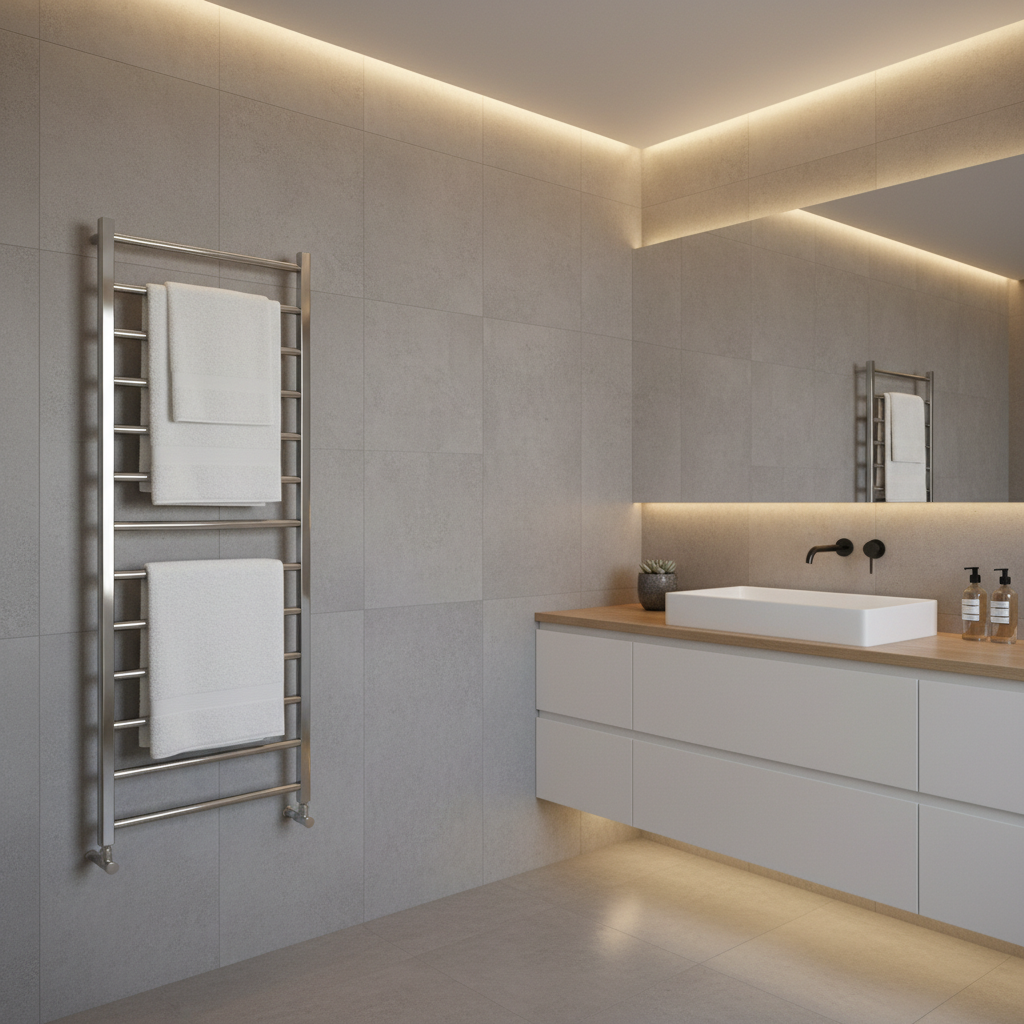
Quick snapshot: top picks by use case (2026)
You’ll see a lot of “best of” lists that rank brands without explaining the tradeoffs. Here’s the more useful version: pick by your bathroom, your wiring situation, and how many towels you want warm at once.
- Small bathroom or apartment: slim wall-mounted electric (plug-in) ladder style
- Family bathroom: wider ladder style or multi-bar rack with more spacing
- New build or remodel: hardwired model with in-wall timer switch
- Minimal DIY tolerance: plug-in model with built-in timer
- Humid bathroom: prioritize spacing and airflow over “more bars”
Key point: for bathroom comfort, capacity and towel drying performance matter more than chasing the highest wattage number on a spec sheet.
Comparison table: what to compare before you buy
Different retailers highlight different specs, so it’s easy to miss what actually changes the experience. Use this table as a quick filter when you’re scanning options.
| Feature | What it means in real life | Good default choice | Watch out for |
|---|---|---|---|
| Power type | Plug-in vs hardwired affects install cost and look | Plug-in for existing bathrooms | Visible cord placement, outlet location |
| Form factor | Ladder dries faster than tight multi-bar in many setups | Ladder style with good spacing | Bars too close together trap moisture |
| Size/capacity | How many towels can hang without overlap | At least 1 towel per regular user | Overcrowding reduces drying |
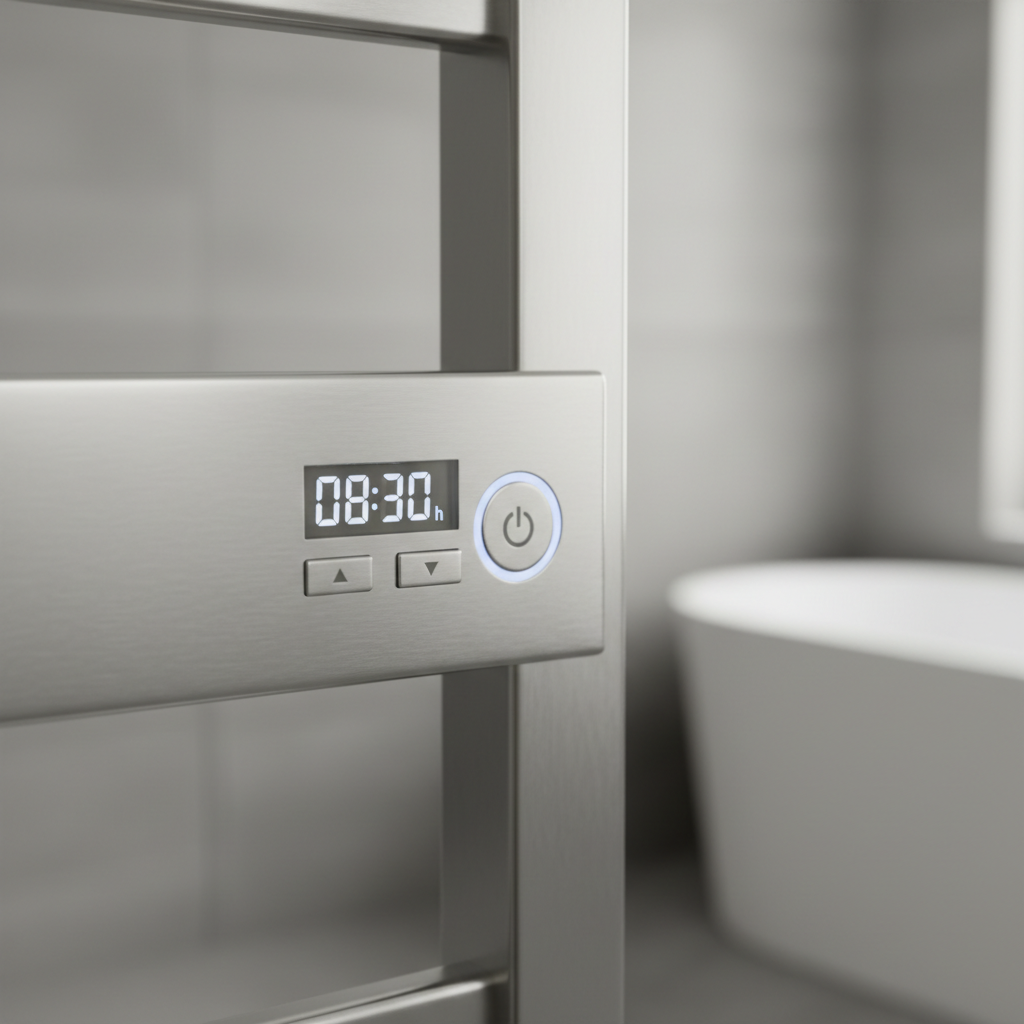
| Controls | Timer keeps it convenient and lowers wasted runtime | 2–4 hour timer | Always-on use without a plan |
| Surface finish | Corrosion resistance and cleaning effort | Stainless steel or quality coated finish | Cheap chrome that pits over time |
| Safety/certification | Confirms electrical testing for wet locations | UL/ETL listed (where applicable) | Unclear certification claims |
Why heated towel racks feel different (and when they don’t)
The comfort boost is obvious when you step out of a shower, but the bigger “quality of life” improvement is often that towels dry more predictably between uses. That said, not every bathroom gets the same results.
- They work best when towels can hang with airflow, not folded thick or piled on top of each other.
- They feel less impressive in very drafty bathrooms or when people keep adding wet towels until everything overlaps.
- They help with dampness indirectly by reducing wet fabric time, but they don’t replace ventilation.
According to EPA, controlling indoor moisture often depends on ventilation and source control, so treat a towel warmer as a comfort and drying tool, not a full humidity solution.
Self-check: choose the right type for your bathroom
If you want the best heated towel racks for bathroom comfort in your specific space, start with these quick questions. Your answers usually point to the right category within a minute.
1) Do you have an outlet in the right spot?
- If yes, plug-in is the simplest path.
- If no, a hardwired install may look cleaner, but plan for an electrician in many cases.
2) How many towels need to dry at once?
- 1–2 towels: slim ladder rack works well.
- 3–5 towels: wider ladder or multi-bar with generous spacing.
3) What’s your real goal: warm towel, or dry towel?
- Warm towel moment: timer + reachable placement matters most.
- Drier towels: spacing, bar layout, and not overloading matters more than anything.
One honest takeaway: people often buy too small, then wonder why towels still smell a bit off. Capacity is comfort.
Buying guidance that actually changes your results
You can get lost in wattage and finishes. In practice, a few decisions drive most of the experience, especially for households trying to keep towels from staying damp.
Focus on spacing and hanging style
- Ladder style often lets towels drape flatter, so more fabric touches warm bars without trapping moisture.
- Multi-bar “shelf-like” racks can be fine, but tight bar spacing tends to slow drying when towels overlap.
Pick controls you’ll actually use
- Built-in timer: easiest for most people, set-and-forget.
- Wall timer switch: clean for remodels, but adds install complexity.
- Smart plug: workable for plug-in models, but keep cords neat and follow bathroom electrical safety guidance.
Don’t ignore finish and cleaning
In many bathrooms, towel warmers live near splash zones and cleaning products. A finish that resists corrosion and wipes clean without constant polishing stays “new” longer.
When you’re comparing listings, look for clear statements about stainless steel grade or durable coatings, plus realistic photos that show welds and bar joints.
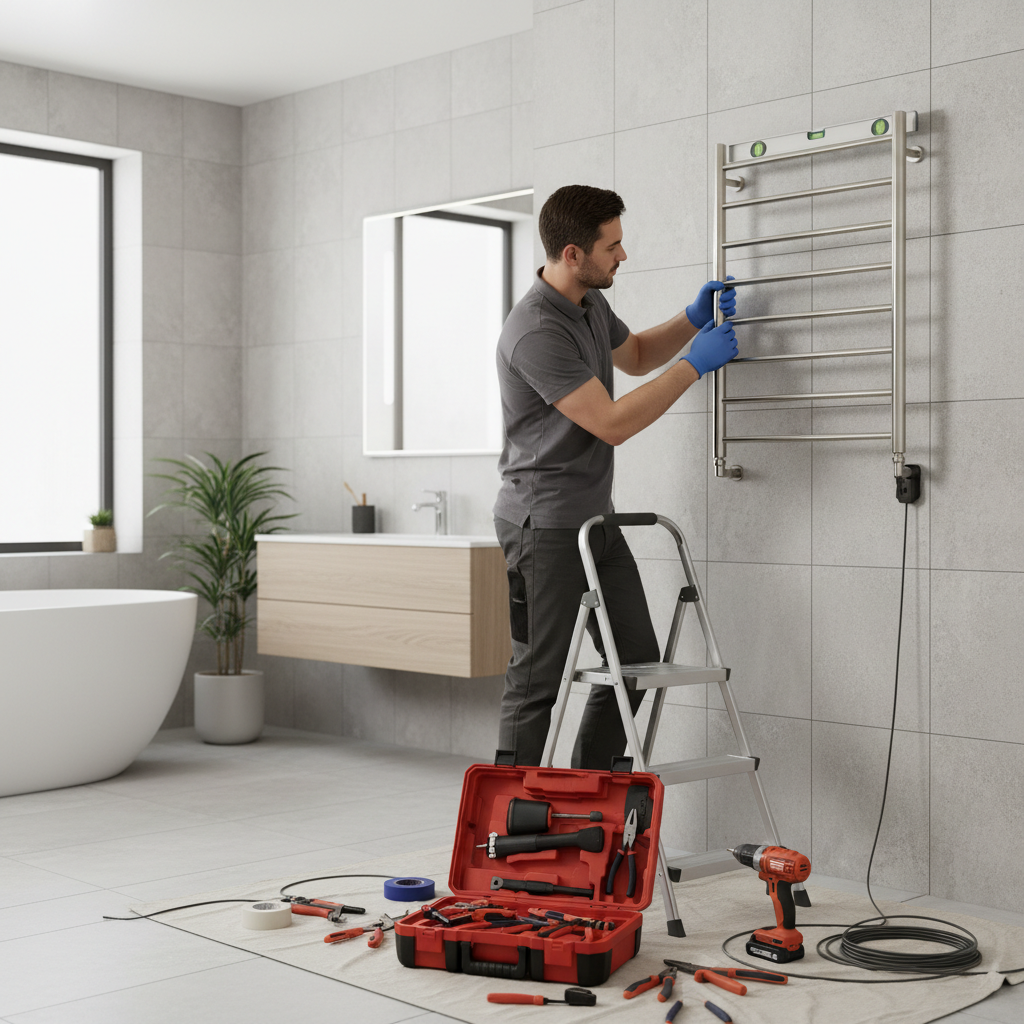
Installation and daily use: simple steps that prevent headaches
Most comfort complaints don’t come from the product “being bad,” they come from placement, loading habits, or control setup. A few small choices can save weeks of annoyance.
Placement
- Mount where you can reach it from the shower path, but not where towels constantly get splashed.
- Leave clearance so towels don’t brush the floor or bunch against a vanity edge.
- Avoid putting it behind a door swing, that sounds obvious, yet it happens a lot.
First-week routine (works for most households)
- Run 1–2 hours after showers, then adjust based on how your towels feel.
- Hang towels spread out, no doubling up until you know your rack can keep up.
- Wash towels as usual, a warmer won’t “fix” detergent buildup or fabric softener residue that can hold odor.
Electrical and safety notes
Bathrooms are wet locations, so be conservative. According to NFPA, ground-fault circuit interrupters help reduce shock risk in wet areas, and many bathrooms in the U.S. use GFCI protection for outlets. For hardwired installs, follow local code requirements, and if you’re unsure, talk with a licensed electrician.
Common mistakes to avoid (these waste money fast)
- Buying for looks only: a sleek rack that holds one towel won’t feel “comfort-focused” for a couple or family.
- Overloading: if towels overlap heavily, you get warmth without drying, and the musty smell shows up anyway.
- Ignoring timer/control: always-on use might be convenient, but many people end up annoyed by the routine or energy waste.
- Assuming it fixes bathroom humidity: a towel warmer can help towels dry, but if your fan is weak, moisture still lingers.
- Mounting into the wrong substrate: tile, drywall, and studs need different anchors, poor mounting becomes a safety issue.
If you’re shopping for the best heated towel racks for bathroom comfort, comfort comes from consistency, towels dry the same way every time, without “babysitting” the rack.
When to get professional help (and when DIY is fine)
Plug-in models are often DIY-friendly if you can mount securely and manage the cord cleanly. Hardwired installs tend to be where people get in trouble, not because it’s impossible, but because bathrooms punish sloppy electrical work.
- Consider hiring a pro if you need a new circuit, you’re unsure about GFCI protection, or your wall has tricky materials like stone tile.
- DIY is usually fine for mounting a plug-in rack into studs with the right hardware, as long as you follow the manufacturer guide.
If there’s any doubt about code compliance or water exposure risk, it’s smarter to confirm with a licensed electrician or contractor. That cost is often smaller than fixing a bad install later.
Conclusion: how to pick confidently for 2026
The best heated towel racks for bathroom comfort are the ones you’ll use without thinking: enough capacity for your household, spacing that helps towels dry, and controls that fit your routine. If you’re upgrading an existing bathroom, a plug-in ladder rack with a timer is a safe, low-friction starting point, and if you’re remodeling, hardwiring can look cleaner if you budget for proper electrical work.
Do one thing today: measure the wall space and count how many towels you expect to hang at once. That single step eliminates most “looks great, works okay” purchases.
FAQ
What size heated towel rack do I need for a standard U.S. bathroom?
Many standard bathrooms do well with a wall-mounted ladder rack that fits one towel per regular user. If towels overlap, drying slows, so sizing up often helps more than chasing extra heat.
Are plug-in heated towel racks safe in a bathroom?
Many are designed for bathroom use, but safety depends on correct installation and following the manufacturer instructions. In the U.S., outlets in bathrooms commonly use GFCI protection; if you’re uncertain about your setup, ask a qualified electrician.
Do heated towel racks use a lot of electricity?
Usage varies by wattage and runtime. In many households, the bigger driver is how long it stays on, so a timer can keep comfort high while limiting unnecessary hours.
Will a heated towel rack remove mildew smell from towels?
It can help reduce damp time, which may reduce odor, but it won’t solve detergent residue, infrequent washing, or a persistently humid bathroom. If smells persist, adjust laundry habits and check ventilation.
Is hardwired better than plug-in for bathroom comfort?
Hardwired can look cleaner and integrate with a wall switch, but comfort is mainly about capacity and layout. If plug-in placement works in your room, you can get the same day-to-day benefit with less hassle.
How long should I run a towel warmer after a shower?
A common starting point is 1–2 hours, then adjust based on towel thickness and how humid your bathroom stays. Thick towels or limited airflow may need more time, but it’s worth testing rather than guessing.
Can I install a heated towel rack over tile?
Often yes, but you need the right anchors and drilling approach for tile, plus secure mounting into studs where possible. If you’re not comfortable drilling tile or you have expensive finishes, hiring a pro may be the lower-risk choice.
If you’re trying to narrow down options fast, a simple shortlist built around your wall measurements, power type, and towel count usually gets you 90% of the way, and it keeps you from paying for features you’ll never use.