
Best area rugs for high traffic areas come down to one thing: they keep their shape and look decent even when life happens, kids running through, pets sliding around corners, and everyone tracking in grit from outside. If your rug keeps crushing flat or looks dirty two days after cleaning, it’s usually a material and construction issue, not you “doing something wrong.”
High-traffic rugs have a job that pretty rugs in low-use rooms never face, abrasion, repeated compression, and constant spot-cleaning. The right pick saves you money and annoyance because you stop replacing rugs every year or living with a permanently tired-looking floor.
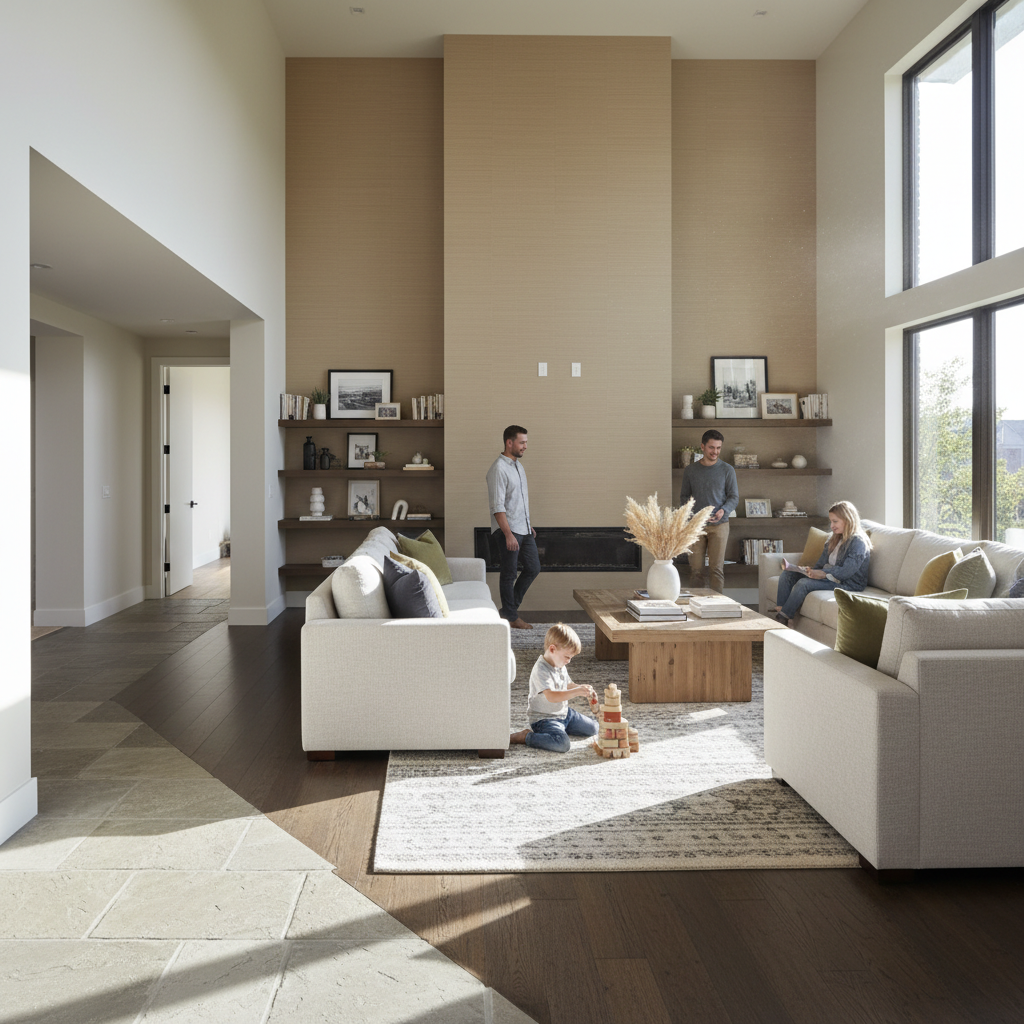
This guide focuses on real-world performance: what fibers hold up, what pile heights make sense, which weaves hide dirt, and how to choose a rug pad so the rug stays put. You’ll also get a quick checklist and a comparison table to narrow choices fast.
What “high traffic” really means (and why rugs fail there)
In most homes, “high traffic” is not the whole room, it’s the lanes: the entry-to-kitchen route, the couch-to-hallway cut-through, the bed-to-bath path. Rugs fail in these spots for a few predictable reasons.
- Crushing and matting: Soft fibers and taller piles compress and don’t bounce back, so you get permanent walk lines.
- Grit abrasion: Tiny sand-like particles act like sandpaper, slowly fraying tips of fibers and dulling color.
- Stain frequency: More footsteps usually means more spills, and a rug that “holds” stains feels impossible to live with.
- Edge curl and shifting: Without the right backing or pad, corners lift and the rug migrates, which becomes both a look and safety issue.
According to the U.S. Consumer Product Safety Commission (CPSC), falls are a leading cause of injury, and loose rugs can be a trip hazard. If a rug slides or curls, treat it like a safety problem, not just a style annoyance.
Best materials for high-traffic area rugs (ranked by practicality)
If you want the shortest path to “this will hold up,” prioritize fiber first. Pattern and color matter, but the wrong fiber in a busy hallway will still look tired quickly.
Wool (best all-around, if you’re okay with upkeep)
Wool is resilient, naturally stain resistant in many cases, and tends to wear in gracefully rather than looking shredded. It’s also warmer underfoot, which is why it stays popular in living rooms.
- Good for: living rooms, family rooms, moderate-traffic hallways
- Watch for: shedding (especially in the first months), sensitivity to harsh cleaners
Nylon (quietly one of the toughest options)
Nylon is common in performance rugs because it bounces back from compression and handles cleaning. If you’ve got kids, pets, or frequent entertaining, it’s hard to argue with the practicality.
- Good for: hallways, stairs runners, playrooms, dining areas
- Watch for: cheaper versions can look shiny or feel less “natural”
Polypropylene / Olefin (best value for mess-prone zones)
Polypropylene rugs often win in entryways and patios because they resist moisture and many stains. They can be very easy to spot clean, which matters when traffic equals accidents.
- Good for: entryways, mudrooms, kitchens, covered outdoor spaces
- Watch for: can flatten over time in extremely busy lanes
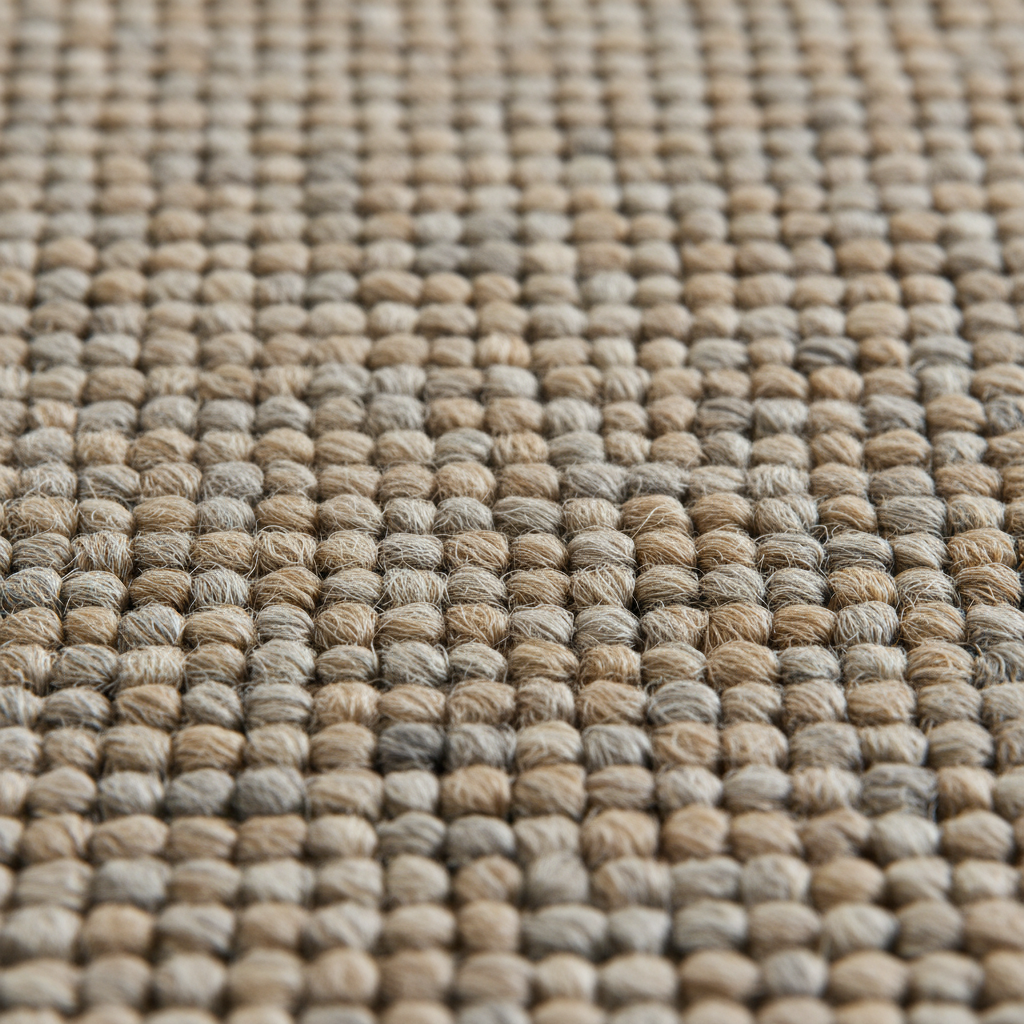
Jute, sisal, and other natural fibers (beautiful, but choose with eyes open)
Natural-fiber rugs can look amazing, especially in coastal or minimalist spaces, and they hide crumbs well. But they tend to absorb stains and can be rougher underfoot.
- Good for: living rooms with shoes-off habits, layering under a softer rug
- Watch for: water marks, pet accidents, snagging
Viscose / “art silk” blends (usually a no for heavy traffic)
These rugs can look luxe, but many struggle with water spotting and fiber damage from repeated cleaning. For busy homes, they’re often a frustration purchase.
Construction choices that matter more than most people think
When two rugs look similar online, construction is often the reason one survives a year of foot traffic and the other doesn’t.
Low pile beats plush in busy lanes
For high-use areas, a low pile (or flatweave) tends to trap less grit and shows fewer footprints. It also makes chairs easier to move in dining spaces.
- Best bet: low pile to medium-low pile for living rooms and hallways
- Use caution: high pile in playrooms can work, but only if you accept more vacuuming and faster matting
Flatweave and tightly woven textures hide wear
Flatweaves, dhurries, and other tight constructions generally handle traffic well because there’s less fiber height to crush. The tradeoff is less cushioning, which is where a rug pad helps.
Hand-tufted vs. hand-knotted vs. machine-made
- Hand-knotted: often extremely durable, usually higher cost, great long-term option if you like the design.
- Machine-made: can be very consistent and tough, especially with performance fibers.
- Hand-tufted: varies a lot; some wear well, some shed and loosen sooner depending on backing and glue quality.
Quick comparison table: pick the right rug for the right room
If you want a fast shortlist, use this as a reality check before you fall in love with a pretty (but fragile) option.
| Space | Top material picks | Ideal construction | Pattern/color tip |
|---|---|---|---|
| Entryway | Polypropylene, nylon | Low pile, tight weave | Medium-to-dark, small pattern hides grit |
| Hallway | Wool, nylon | Runner, low pile | Heathered or multi-tone reduces visible lanes |
| Living room | Wool, nylon blends | Low/medium-low pile | Subtle texture beats solid light colors |
| Dining room | Nylon, polypropylene | Low pile (chairs slide) | Pattern disguises spills and crumbs |
| Kitchen | Polypropylene, washable synthetics | Flatweave, anti-slip pad | Darker tones reduce spot-clean anxiety |
| Kids/pets zone | Nylon, polypropylene | Low pile, easy-clean | Busy pattern is your friend |
Self-check: what “type” of high-traffic home are you?
Before buying, get honest about what the rug will face. This keeps you from overpaying for the wrong feature, or underbuying and regretting it.
- Shoes-on household: prioritize low pile, tight weave, darker or heathered colors.
- Pets (especially older pets): avoid absorbent natural fibers, favor stain resistance and easy spot cleaning.
- Kids + snacks everywhere: choose patterns, consider washable options, and don’t go too light.
- Allergies/asthma concerns: low pile is often easier to vacuum thoroughly; if unsure, it’s smart to ask a healthcare professional.
- Heavy furniture or rolling chairs: denser, low pile reduces crushing; add a quality pad to reduce shifting.
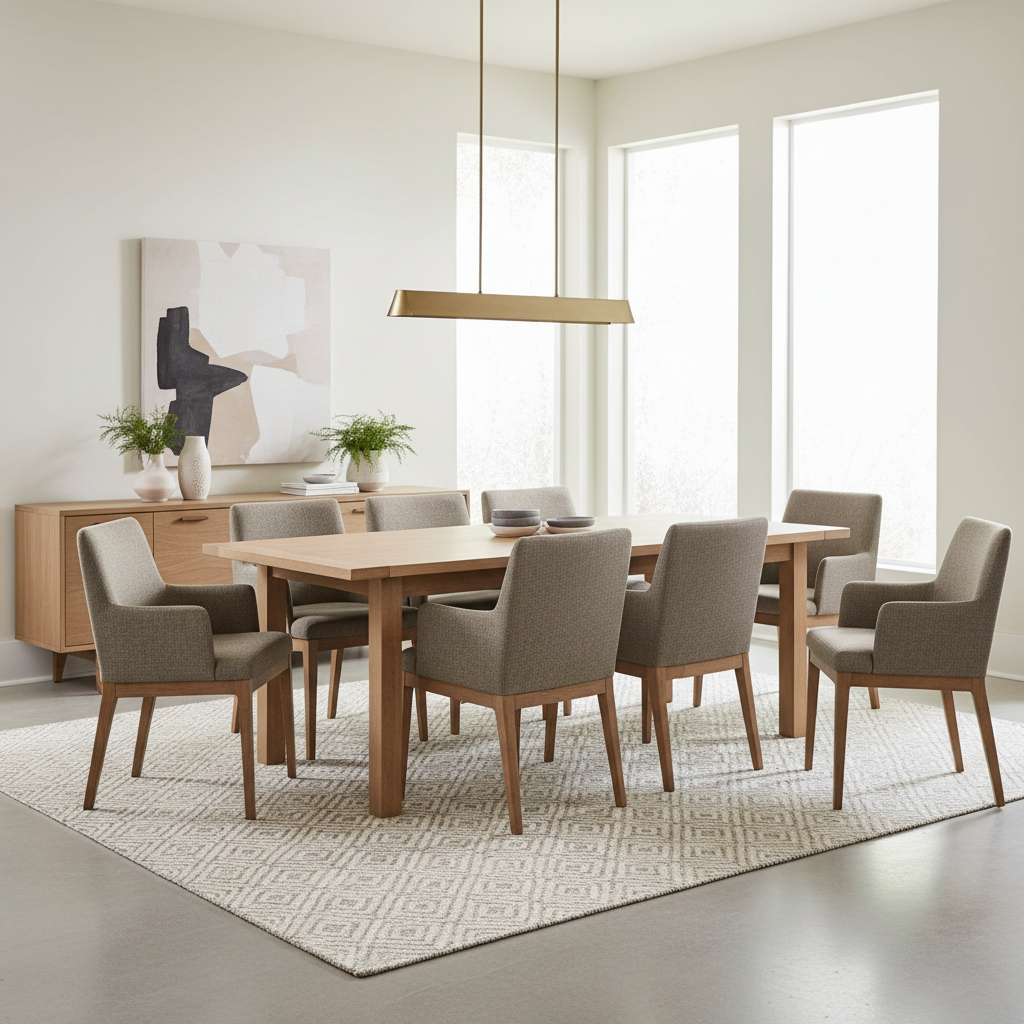
How to choose the right rug size, pad, and placement for traffic flow
Many “durability” complaints are really sizing and placement problems. A rug that’s too small gets kicked constantly, and edges start curling or fraying faster.
Size for stability, not just looks
- Living room: front legs of main seating on the rug, so it doesn’t float in the middle.
- Dining room: rug large enough so chairs stay on the rug when pulled out.
- Hallway: runner wide enough to feel intentional, with a bit of floor showing on both sides.
Rug pads: the small upgrade that changes everything
A good pad reduces sliding and helps the rug wear more evenly. Look for a pad type that matches your flooring, and confirm it’s compatible with any floor finish you have.
- On hardwood: a non-slip pad designed for wood floors helps prevent movement.
- On carpet: use a pad made for carpet-on-carpet, or skip the pad if the rug is stable.
According to the Federal Trade Commission (FTC), consumers should follow care and safety instructions for home products to reduce avoidable hazards. In practice, that means checking pad labels and avoiding materials that can react with certain finishes.
Care routine that keeps high-traffic rugs looking new (without overdoing it)
The goal is simple: remove grit before it turns into abrasion, and address spots before they set. You don’t need a complicated system, you need consistency.
- Vacuum often in lanes: focus on the walk paths, not just the whole rug once a week.
- Rotate: turning the rug helps distribute wear, especially under a coffee table edge where people pivot.
- Spot clean carefully: test any cleaner in an inconspicuous corner, and avoid soaking the backing.
- Professional cleaning: for wool or valuable rugs, periodic professional cleaning can be safer than aggressive DIY scrubbing.
If you’re dealing with persistent odors, pet accidents, or possible mold under a damp rug, it’s reasonable to consult a cleaning professional. Some situations need more than household spot treatment.
Key takeaways (and what to buy first)
If you want a rug that survives real life, aim for low pile, durable fibers, and a proper rug pad. In many homes, nylon or polypropylene is the least fussy path for the busiest zones, while wool works beautifully where you want a more natural feel and can keep up with care.
Your next step is practical: map your traffic lanes, pick a fiber that matches your mess level, then choose a size that won’t shift. That’s how the best area rugs for high traffic areas stop being a guess and start being a reliable upgrade.
Action idea: if you’re replacing a rug that matted quickly, keep the same size and style you liked, then switch only the fiber and pile height. It’s a simple change that often fixes the problem.