
How to arrange throw blankets on couch neatly comes down to two things most people overlook: choosing one “home base” spot for the blanket, and using a fold that matches how you actually use the couch.
If you’ve ever fluffed cushions, folded the throw, walked away, and somehow the sofa still looks rumpled, you’re not alone. Throws are supposed to look relaxed, but “relaxed” can turn into “clutter” fast, especially with kids, pets, or a blanket that’s too big for the space.
This guide breaks the process into practical setups you can repeat in under a minute, plus a quick self-check to pick the right method for your sofa shape, fabric, and daily routine.
Start with one decision: display blanket or daily-use blanket?
Before you fold anything, decide what job the throw blanket has. This single choice prevents constant re-styling.
- Display blanket: mostly for texture and color, used occasionally.
- Daily-use blanket: grabbed multiple times a day, needs speed and durability.
- Both: common in real homes, but you’ll get a cleaner look if you assign one blanket per role.
Here’s the truth: if a blanket gets used every evening, a perfect “magazine fold” usually won’t survive. In that case, aim for “neat enough” plus easy reset.
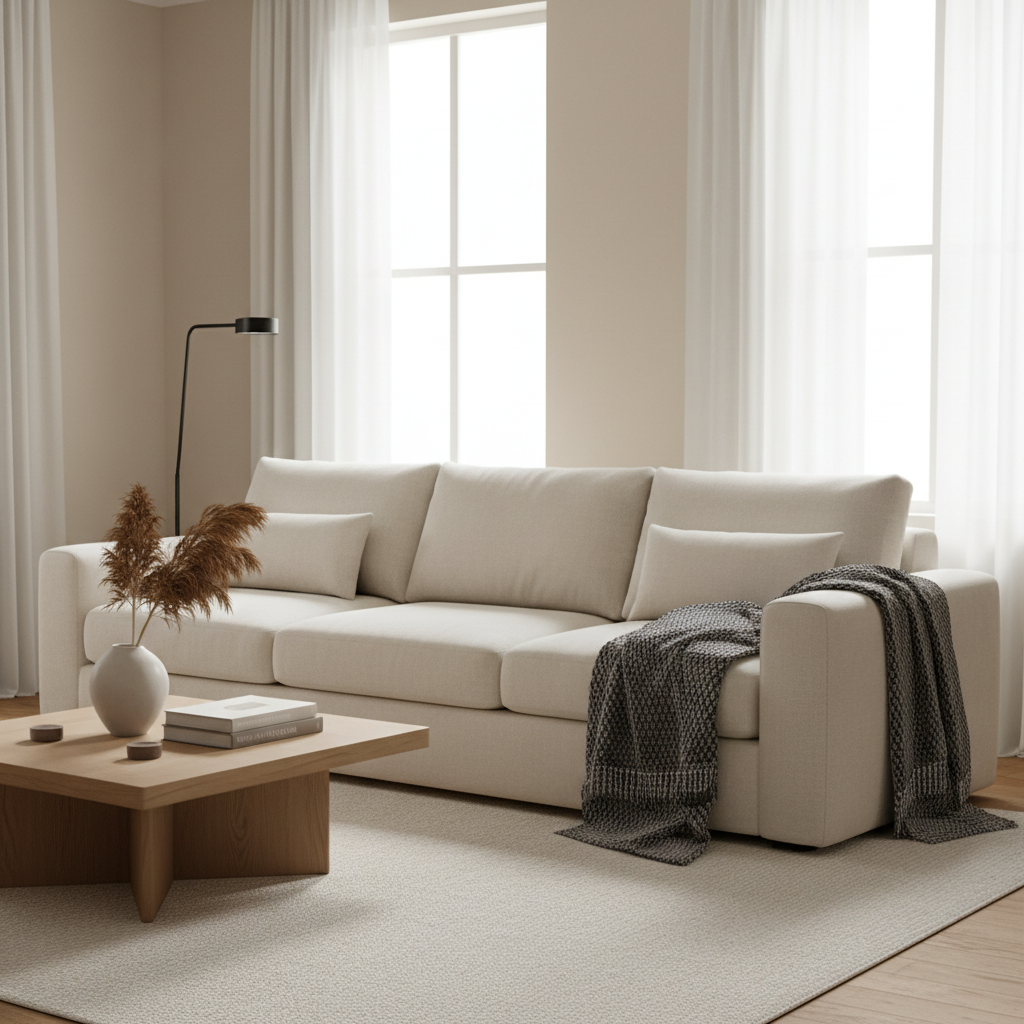
A quick self-check to choose the right arrangement
If you want the sofa to stay tidy, match the blanket setup to your couch and habits. Use this checklist to pick your “default” look.
- Sectional or chaise? You’ll usually get the best result by anchoring the throw at the corner or chaise end.
- Leather couch? Folded and lightly tucked works better than draped, since leather lets blankets slide.
- Small sofa? Use narrower folds, or choose a smaller throw to avoid bulk.
- Pets? Prioritize quick folds and washable fabrics, and place throws where fur won’t collect in seams.
- Blanket weight? Chunky knits look great draped but can look messy if overhandled; lighter weaves fold cleaner.
If you’re stuck between two methods, pick the one you can reset in 20 seconds. That’s the one you’ll actually maintain.
4 neat folding and draping methods that work in real life
These are the most repeatable ways to keep throws looking intentional. You can rotate them seasonally or keep one signature style.
1) The “arm fold” (fast, clean, and stable)
This is the workhorse method for most living rooms and a good answer to how to arrange throw blankets on couch neatly without overthinking.
- Fold the blanket lengthwise into thirds (aim for a 12–18 inch width).
- Fold once more so it lands around seat height when placed.
- Lay it over the sofa arm, then tuck 1–2 inches between the arm and seat cushion to stop sliding.
2) The “seat band” (best for daily-use blankets)
If people constantly grab the throw, this keeps it ready without looking like a pile.
- Fold into a long rectangle, then drape across the front third of the seat.
- Let the bottom edge fall just past the seat line, not to the floor.
- Smooth once with your hands, then stop. Over-smoothing makes it look fussy.
3) The “corner cascade” (for sectionals and relaxed styling)
This gives a styled look that still reads casual.
- Anchor one end behind the back cushion at the corner seat.
- Let the rest fall diagonally across the seat and toward the outside edge.
- If it looks messy, fold only the top third before draping to add structure.
4) The “backrest fold” (minimalist and kid-friendly)
If you want the throw out of the way, this is surprisingly effective.
- Fold into a long strip about the width of the backrest section.
- Drape over the top of the back cushion so both sides hang evenly.
- On slippery fabrics, use a deeper fold so more fabric rests on top.

Where to place throws so the couch looks “designed,” not accidental
Placement is what makes a neat fold look intentional. Most couches look best with one primary throw location, not three random ones.
- On the arm: cleanest silhouette, great for smaller spaces.
- At the sectional corner: visually anchors big seating areas.
- On the chaise end: balances the long shape and invites lounging.
- Centered on the back: works for minimalist rooms, but avoid if it blocks patterned pillows.
A good rule: keep the throw to one side unless you’re intentionally creating symmetry with matching pieces.
Color and texture: an easy formula that looks cohesive
Neat arrangement helps, but a throw that clashes will still read “off.” Styling usually becomes easier with a simple palette approach.
- Neutral couch: add one throw with texture (waffle, boucle, chunky knit) and keep color muted.
- Colorful couch: choose a throw that repeats one color already in the room (rug, art, pillows).
- Patterned couch: go solid or subtle texture so the sofa doesn’t feel busy.
According to Pantone, color coordination and seasonal palettes influence how people perceive harmony in a space, which is why repeating one tone across textiles often looks calmer than introducing a new one.
A simple “reset routine” to keep it neat all week
If you want how to arrange throw blankets on couch neatly to last longer than a photo, build a tiny habit. Keep it easy.
- Night reset (20 seconds): shake once, fold once, place in the same spot every time.
- Weekly refresh: lint roll, smooth cushion edges, refold with sharper corners.
- Backup storage: keep a basket nearby for the daily-use blanket when you want the couch to look extra clean.
For homes with allergies, it can help to wash throws regularly. According to the American Lung Association, reducing dust and allergens in soft furnishings is often part of improving indoor air quality; if you have asthma or sensitivities, consider asking a healthcare professional what frequency makes sense for your situation.
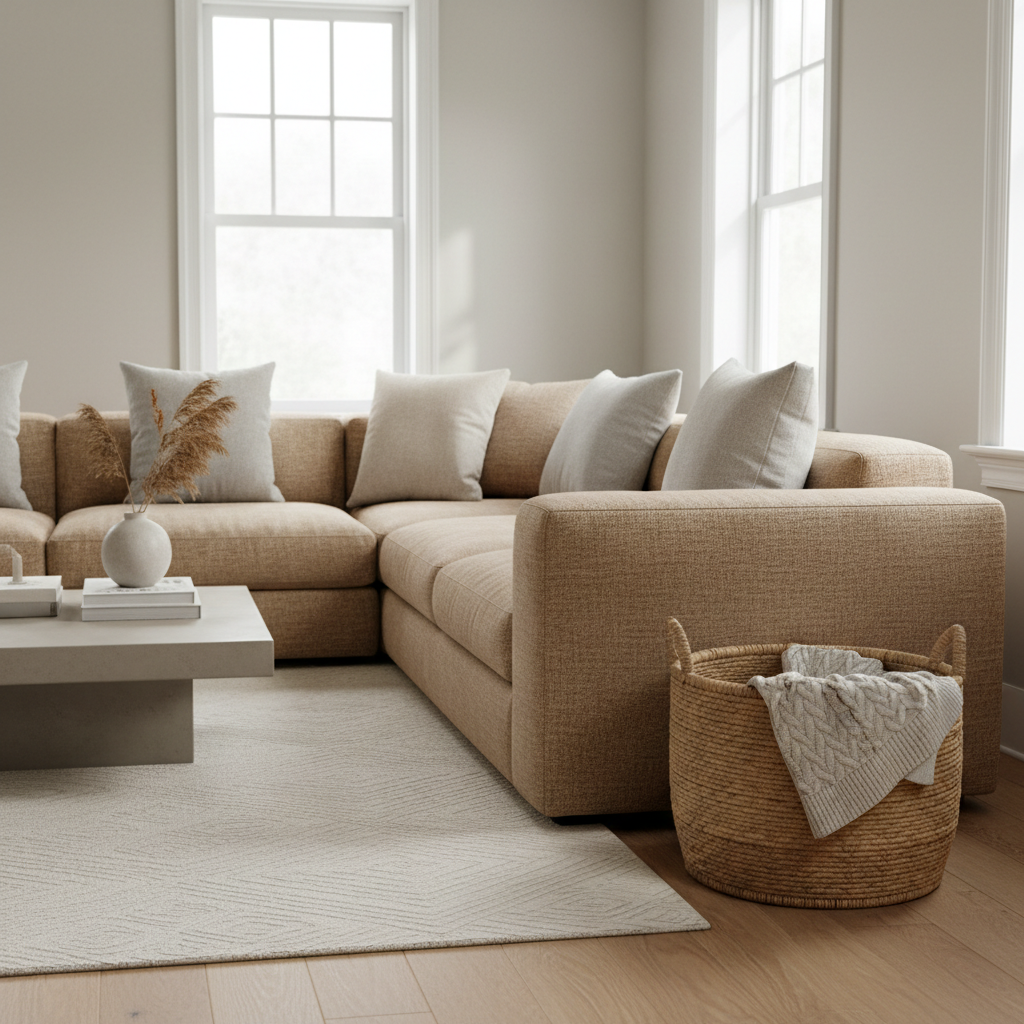
Common mistakes that make a couch look messy (even with nice blankets)
Most “messy couch” problems are styling mismatches, not lack of effort.
- Using an oversized throw on a small sofa, it bunches and spills onto the floor.
- Too many textiles, multiple throws plus lots of pillows can read like laundry.
- No anchor point, if the throw floats in the middle, it looks accidental.
- Perfect symmetry for a lived-in couch, it looks staged and gets ruined instantly, which is frustrating.
- Ignoring slip, leather and some performance fabrics need a tuck or heavier weave.
Quick reference table: pick the best method for your couch
If you just want a clear answer, use this chart and commit to one default setup for two weeks.
| Situation | Best arrangement | Why it stays neat |
|---|---|---|
| Small sofa, limited space | Arm fold | Keeps bulk off the seat and off the floor |
| Daily blanket use | Seat band | Easy grab-and-reset, less refolding |
| Sectional with corner seat | Corner cascade | Corner “anchors” the fabric so it doesn’t drift |
| Kids and lots of movement | Backrest fold | Out of the way, less likely to become a pile |
| Leather couch | Arm fold with tuck | Tuck prevents sliding on smooth surfaces |
Key takeaways (so you can do this in under a minute)
- Pick one home base spot for the throw, your couch will look calmer instantly.
- Match the fold to the way you live, not the way a catalog looks.
- Use a small tuck on slippery sofas, it’s the difference between neat and constantly redoing it.
- If you want a “styled” look, keep the throw to one side and repeat a room color.
Conclusion: keep it simple, then make it consistent
Once you choose a default fold and placement, how to arrange throw blankets on couch neatly stops being a styling project and turns into a tiny reset habit. Pick one method from the table, try it for a week, and adjust only if it keeps sliding or bunching.
If you want a low-effort next step, set up a basket near the sofa for the daily blanket and reserve one nicer throw for display, that combo stays tidy in most homes.
FAQ
How do you fold a throw blanket so it looks neat on a couch?
Fold it into thirds lengthwise, then fold once more to match the height of your sofa arm or seat. A small tuck between cushions keeps the edges crisp longer.
What’s the easiest way to keep blankets from sliding off a leather couch?
Use a folded placement instead of a loose drape, and tuck 1–2 inches into the cushion gap. Heavier weaves also tend to stay put better than silky fabrics.
How many throw blankets should be on a couch?
In many living rooms, one throw reads cleanest. Two can work if they serve different roles, like one daily-use blanket in a basket and one display throw on the arm.
How do I arrange throw blankets on a sectional neatly?
Anchor the throw at the corner or chaise end, since that spot visually “holds” the fabric. The corner cascade method usually looks intentional without needing perfect folds.
Should throw blankets match pillows?
They don’t need to match exactly, but repeating one color from your pillows or rug helps the couch look coordinated. If pillows are patterned, a solid textured throw often looks calmer.
How do I style a chunky knit throw without it looking messy?
Chunky knits typically look best with a controlled drape: fold the top third, then let the rest fall. Avoid over-layering with multiple pillows, since the texture already adds volume.
What if my couch always looks cluttered even after folding?
It’s often too many items competing for space. Remove one pillow, move the daily blanket to a basket, and keep only one throw visible on the couch for a week to see the difference.
If you’re trying to keep a living room photo-ready without constantly re-folding, a simple setup helps: choose one display throw for the sofa, and store the daily blanket in a nearby basket so you can reset the look in seconds.