
How to get rid of dust in house permanently usually means two things: removing what’s already there, and cutting off the steady stream that keeps reappearing on shelves, vents, and floors. You can get very close to “permanent” when you treat dust like a system problem, not a cleaning problem.
If your home gets dusty again a day or two after you wipe, it’s rarely because you “missed a spot.” Most of the time, dust is being made, pulled in, or circulated faster than your current routine can catch it.
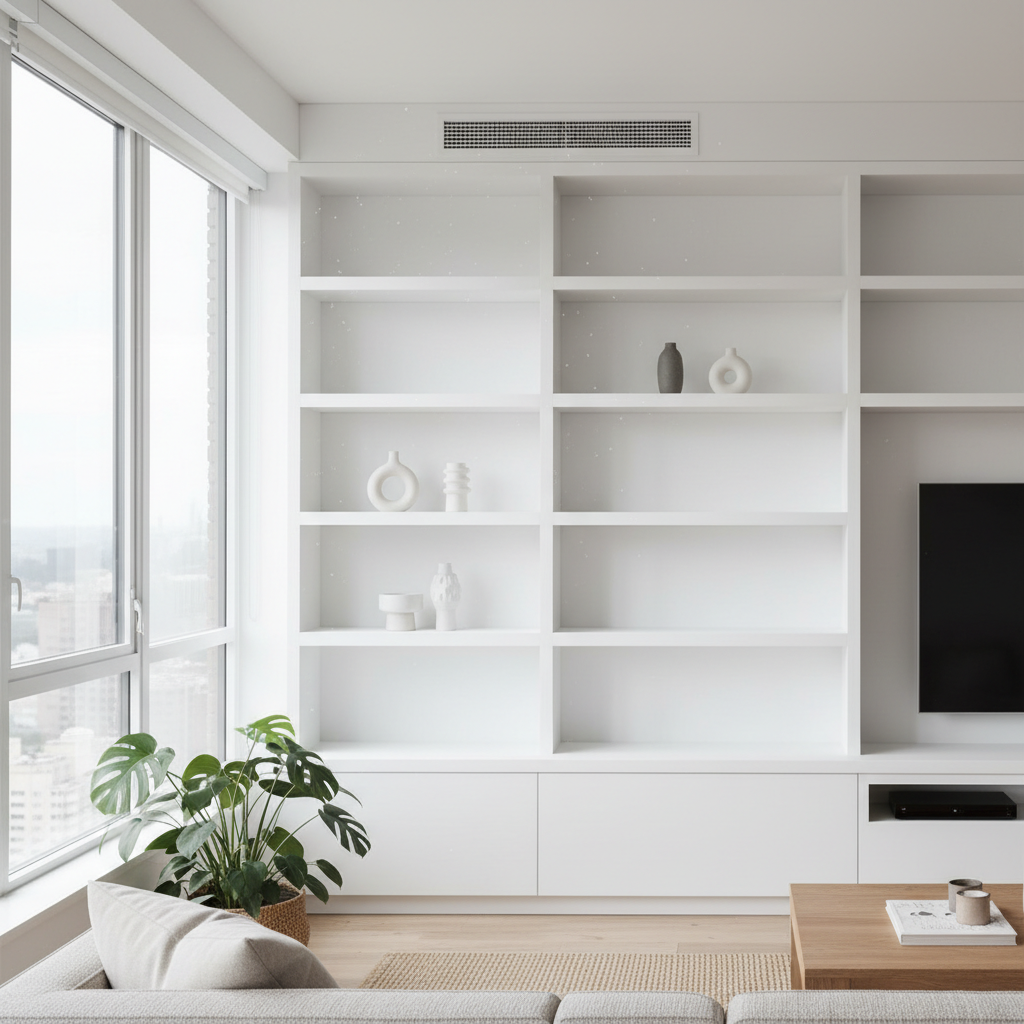
This guide walks through what dust actually is, how to pinpoint your biggest sources, and what changes (filters, vacuuming, humidity, sealing) tend to reduce dust long-term. You’ll also see a simple weekly plan that doesn’t eat your weekends.
What “house dust” really is (and why it keeps coming back)
Dust isn’t one thing. It’s a mix, and the mix changes by home, region, season, and who lives there. That’s why one household swears by a certain routine while another sees no difference.
In many U.S. homes, indoor dust often includes lint from fabrics, skin flakes, pet dander, tiny soil particles tracked in, and debris that HVAC airflow keeps lifting and redistributing. According to U.S. Environmental Protection Agency (EPA), indoor air can contain pollutants and particles from many sources, and controlling sources plus ventilation and filtration is a common strategy.
- Dust generation: textiles shedding (carpet, bedding, clothing), pets, paper, even hobby materials.
- Dust entry: gaps around doors/windows, attic bypasses, leaky ductwork, garage-to-house air leaks.
- Dust circulation: high airflow, dirty ducts/returns, wrong filter fit, aggressive dry dusting that re-aerosolizes particles.
So when people search how to get rid of dust in house permanently, the “permanent” part comes from controlling sources and airflow, then cleaning what remains in a way that captures dust instead of spreading it.
Find the biggest dust sources in your home (quick diagnosis)
Before you buy gadgets, do a fast check. You’re trying to learn where dust is coming from and where it collects first. Those two clues point to the fix.
Fast signs that point to the cause
- Dust appears heavily near supply vents: HVAC is distributing particles or filter/duct leaks exist.
- Dust piles near doors and entryways: tracking-in and outdoor infiltration are major contributors.
- Dust collects on horizontal surfaces in bedrooms: bedding/fabric lint, plus low humidity static issues.
- One room is always worse: return grille nearby, negative pressure, or a gap to attic/garage.
- Fine dust after renovations: drywall/wood particles can linger in soft materials for weeks.
A simple “tissue test” you can do today
- Wipe the top of a door frame and a nearby vent register with a white tissue.
- If the vent area is much darker, focus on filtration, returns, and duct tightness.
- If both are similar and entryway is worst, focus on sealing and tracking control.
Many households get the best results by combining two paths: stop dust at the door and upgrade how your HVAC captures particles.
Make HVAC work for you: filtration, airflow, and returns
If you want how to get rid of dust in house permanently to be more than wishful thinking, your HVAC strategy matters. Your system can either be the best whole-home air cleaner you own, or the thing that keeps “snow-globing” your rooms.
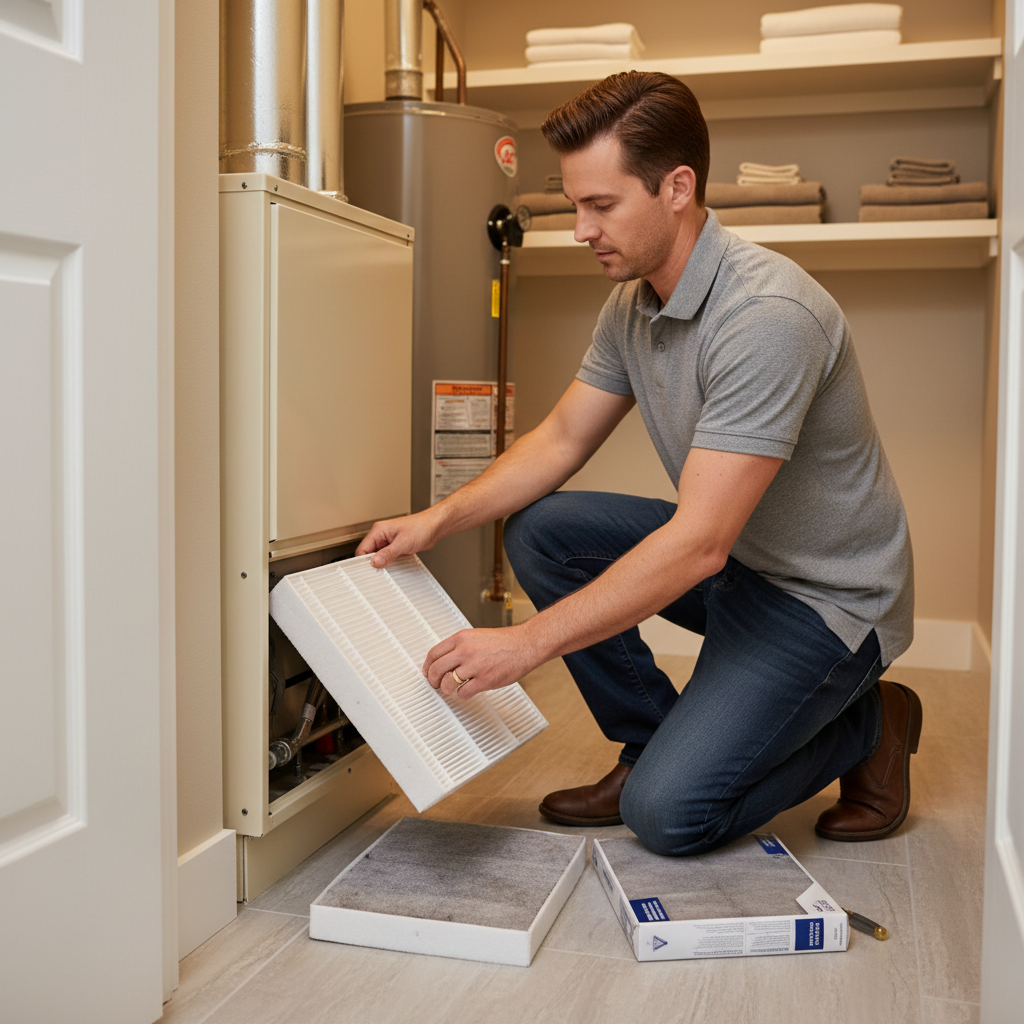
Choose a filter that fits your system, not just the highest rating
Higher MERV filters can capture smaller particles, but some systems struggle with airflow if the filter is too restrictive. That can reduce comfort and, in some cases, stress equipment. If you’re unsure, checking the HVAC manual or asking a licensed technician is safer than guessing.
- Fit matters: a slightly loose filter can let dusty bypass air slip around the edges.
- Replacement schedule: many homes do better replacing on a set cadence than waiting until it looks gray.
- Don’t “double filter” vents: adding extra mesh at registers often harms airflow and can increase dust settling in odd spots.
Pay attention to returns (where the dust actually gets sucked in)
Returns pull in air from your rooms, and with it, dust. If return grilles are dirty quickly, it’s a hint your system is doing the pulling but not capturing enough upstream.
- Vacuum return grilles with a brush attachment, then wipe with a damp microfiber cloth.
- Keep furniture and thick curtains from blocking returns, reduced airflow can change dust patterns.
When ducts and leaks are the real issue
If you see dust streaks around registers, or your home gets dusty even with a solid filter routine, duct leakage might be pulling dusty air from attics, crawlspaces, or wall cavities. Sealing ducts is usually more impactful than duct cleaning alone.
According to U.S. Department of Energy, sealing and insulating ducts can improve HVAC performance, and leaks can bring in unwanted air from unconditioned spaces. A reputable HVAC pro can test leakage and seal properly, especially if ducts run through attic or crawlspace.
Clean so dust is captured, not redistributed
Most “dusting” fails because it pushes particles into the air, then they settle again. The goal is boring: capture, contain, remove. It’s less satisfying than a quick swipe, but it’s what holds up.
Tools that tend to matter
- Microfiber cloths slightly damp, they grab fine particles rather than flicking them.
- Vacuum with HEPA filtration (or a well-sealed equivalent), helpful if allergies/asthma are in the picture.
- Soft brush attachments for baseboards, blinds, vents, and return grilles.
Order of operations (small change, big payoff)
- Start high: ceiling fan blades, tops of shelves, door frames.
- Then mid-level: furniture surfaces, window sills, electronics.
- Finish low: baseboards, floors, rugs.
If you swap the order, you’re basically raining dust onto areas you just cleaned. This is one reason people feel stuck searching how to get rid of dust in house permanently, they’re working hard, but the sequence cancels out the effort.
Control dust at the source: fabrics, floors, pets, and clutter
A lot of household dust is “home-grown.” Cutting shedding sources won’t make your home sterile, but it can reduce how often you need to chase dust.
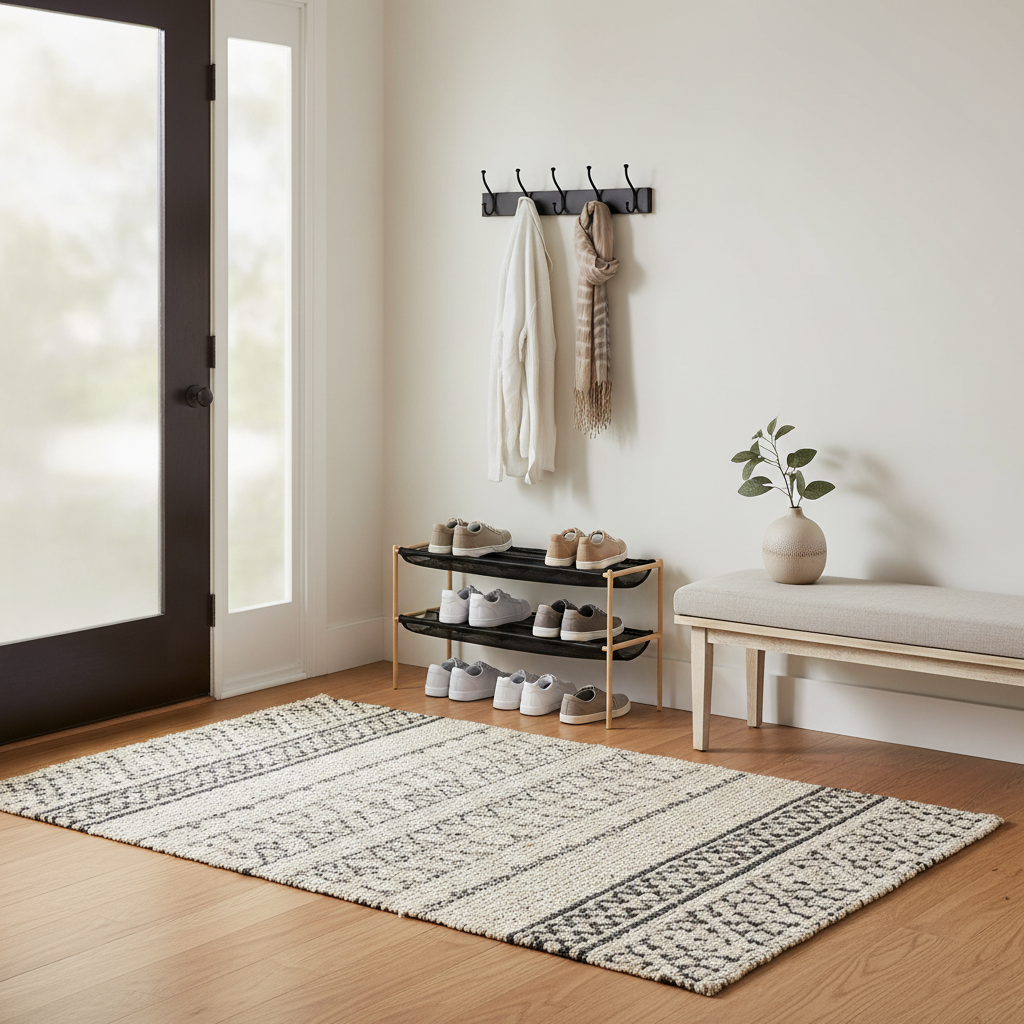
Entryway rules that actually reduce dust
- Two-mat system: a rough outdoor mat + an indoor absorbent mat catches more grit.
- Shoes-off zone: if that’s realistic for your household, it’s one of the most reliable dust reducers.
- Quick-sweep routine: a fast vacuum pass near doors prevents grit from migrating.
Textiles: where “invisible lint” comes from
- Wash bedding regularly and consider allergen-proof covers if sensitivities exist.
- Reduce throw blanket overload in high-traffic rooms, cozy, yes, but they shed.
- If you have older carpet that constantly sheds, replacement can be a long-term fix, but it’s a budget call.
Pets change the equation
Pet dander and dried saliva can be part of dust. Brushing pets (ideally outdoors) and washing pet bedding helps. If anyone has asthma or allergies, it’s smart to check with a healthcare professional for personalized guidance.
Humidity, air purifiers, and “set-and-forget” support
Air and moisture influence how dust behaves. Too dry and dust stays airborne longer and clings via static. Too humid and you can invite mold, which is a different problem entirely.
A practical indoor humidity target
Many homes do well around 30–50% relative humidity, but climate and building type matter. Use an inexpensive hygrometer to stop guessing. If humidity problems are persistent, a qualified HVAC or indoor air professional can help you avoid unintended moisture damage.
Do air purifiers help with dust?
They can, especially in bedrooms and living rooms where people spend time. Look for a HEPA filter and a CADR that matches room size, and place it where airflow isn’t blocked. According to EPA, air cleaners can help reduce airborne particles in certain situations, but source control and ventilation still matter.
- Best use cases: one dusty room, allergies, pets, wildfire smoke seasons.
- Not a magic fix: purifiers won’t stop dust tracked in from outdoors or bypassing duct leaks.
A realistic “low-dust” routine (weekly plan + what to stop doing)
The routine that works is the one you’ll repeat without resentment. Here’s a simple framework that fits many households and supports how to get rid of dust in house permanently as an ongoing maintenance system.
Weekly baseline (30–60 minutes total, split up)
- 2 quick vacuum passes in high-traffic zones and entryway
- 1 damp microfiber wipe of the “dust hotspots” (TV console, nightstands, window sills)
- 1 bedding refresh (wash sheets or at least swap pillowcases)
Monthly baseline
- Vacuum upholstery and under cushions
- Wipe baseboards where dust lines show up
- Check HVAC filter condition and replace if needed
What to stop doing (common self-sabotage)
- Dry feather dusters that fling dust into the air
- Over-fragranced sprays that mask dust without removing particles
- Ignoring the entryway while obsessing over shelves
Quick reference table: symptom → likely cause → best fix
If you’re troubleshooting, this table is usually faster than scrolling through product lists.
| What you notice | Likely cause | What to do next |
|---|---|---|
| Dust returns in 24–48 hours | Airborne particles + poor capture | Upgrade filter fit, HEPA vacuum, damp microfiber wiping |
| Heaviest dust near vents | HVAC distribution, duct leakage, dirty returns | Clean returns, verify filter seal, consider duct leakage test |
| Dust/grit at doors and corners | Tracking-in + drafts | Two-mat setup, shoes-off zone, door sweeps/weatherstripping |
| One room is consistently worse | Pressure imbalance or nearby return | Check blocked returns, verify door undercut, consider HVAC balancing |
| Dust spikes after projects | Fine construction particles trapped in textiles | Deep vacuum soft materials, replace HVAC filter sooner, air purifier short-term |
When it’s time to bring in a pro (and what to ask)
Sometimes your cleaning is fine, the building is the issue. If dust comes with musty odors, visible mold, persistent respiratory irritation, or you suspect asbestos/lead from older materials, it’s safer to pause DIY and talk to qualified professionals.
- HVAC technician: ask about duct leakage testing, filter compatibility, and airflow readings.
- Home energy auditor: ask where the house is leaking air (attic bypasses are a common culprit).
- Indoor air quality specialist: ask what sampling makes sense for your symptoms and home history.
Be cautious with anyone who promises a one-time service will eliminate dust forever. In real homes, lasting results usually come from a few improvements working together.
Key takeaways (so you can act this week)
- “Permanent” dust control comes from stopping entry and improving capture, not endless wiping.
- HVAC filter fit + correct rating often matters more than buying the priciest option.
- Damp microfiber and a sealed vacuum capture dust better than dry dusting.
- Entryway controls and textile shedding reduction cut dust at the source.
If you want the most noticeable change fast, start with a properly fitting HVAC filter, a shoes-off entry plan, and a cleaning order that captures dust instead of re-launching it. Keep that going for a few weeks, then decide if you still need extras like a room purifier or professional duct sealing.